
News
Falconry News: What’s Happening in the World of Hawking Right Now


Most people picture falconry as a relic of the medieval world — lords on horseback, leather gloves, and birds disappearing into grey skies. The reality in 2026 is considerably more interesting. Falconry is alive, contested, regulated, globally connected, and generating headlines across continents. Whether it is a $10 million prize pool in Saudi Arabia, a DNA passport system in Kazakhstan, or regulatory battles over goshawk populations in the American West, the ancient art of training birds of prey keeps producing genuinely current news.
This guide pulls together the most significant falconry news from the past year and explains what it means for practitioners, conservationists, and anyone curious about one of humanity’s oldest partnerships with wildlife.
What Is Falconry, and Why Does It Keep Generating News?
Falconry is the practice of training raptors — typically falcons, hawks, or eagles — to hunt wild quarry in cooperation with a human handler. UNESCO recognized it as Intangible Cultural Heritage of Humanity, a status held by practitioners across more than two dozen countries.
It generates ongoing news for a straightforward reason: it sits at the intersection of wildlife conservation, cultural tradition, international law, and competitive sport. Change any one of those elements — a new regulation, a species population shift, a festival record — and there is a story.
Direct Answer: What Is the Latest Falconry News?
The most significant recent falconry news includes the King Abdulaziz Falconry Festival breaking global records with nine-country participation and over $10 million in prize money, new DNA passport requirements for Saker falcons in Kazakhstan, updated permitting rules in the United States, and growing concern across Europe and Central Asia about declining Saker falcon populations. The UAE has also expanded its digital falcon passport system, allowing birds to travel internationally with government-issued electronic documentation.
The King Abdulaziz Falconry Festival: A World Stage for the Sport
The single biggest event in recent falconry news is the King Abdulaziz Falconry Festival (KAFF). Held at the Saudi Falcons Club headquarters in Malham, north of Riyadh, the festival ran from December 25, 2025 to January 10, 2026, with participation from falconers representing nine countries.
The numbers are hard to ignore. The festival offered 1,012 prizes with a total value exceeding 38 million Saudi riyals across two main competitions: Al Melwah, a 400-metre lure race, and Al Mazayen, which focuses on falcon aesthetics. For the first time, nine different countries participated, including teams from Ireland, Italy, and Mongolia, transforming what was once a regional competition into something closer to a world championship of falconry.
The festival also emphasized passing the tradition to younger generations, with dedicated rounds for children and women, and a schools category aimed at expanding participation.
For practitioners following falconry news, the festival matters beyond the spectacle. Its global reach signals growing international interest and raises questions about standardization — what rules apply when a Mongolian eagle falconer competes alongside a Gulf Saker specialist?
Conservation Is Now Central to Falconry News
Perhaps the most consistent thread running through current falconry news is conservation. The relationship between the sport and wildlife protection is no longer peripheral — it has become central to how the falconry community defines itself.
The Saker Falcon Crisis
The Saker Falcon remains critically endangered in 2026, with numbers declining due to habitat loss and electrocution from power lines. The Saker is among the most prized birds in traditional Gulf and Central Asian falconry, which makes its population decline a genuinely serious issue for the community.
In Kazakhstan, strict action was taken against illegal hunting in November 2025. Under new law, every Saker Falcon used in competitions must now carry a “DNA passport” proving it was bred in captivity rather than taken from the wild. This kind of traceable documentation is becoming a global standard, not just a Central Asian one.
Falconers as Ecologists
A key trend shaping falconry news in 2026 is the idea of the “falconer as ecologist.” The International Association for Falconry (IAF) has launched the “Habitats for Hawks” initiative, encouraging practitioners to contribute actively to habitat preservation rather than simply comply with minimum legal requirements.
There is considerable historical precedent for this role. Falconers have been involved in high-profile raptor reintroduction projects for decades, from Peregrine releases in European forests to Bonelli’s Eagle reintroduction programs in Spain. The shift now is institutional — major falconry organizations are formalizing conservation work as part of their identity.
Regulatory Changes: What Falconers Need to Know
A significant portion of recent falconry news is regulatory. Laws affecting the sport are shifting in multiple jurisdictions simultaneously.
United States
A 2026 change to the Migratory Bird Treaty Act has affected American falconers by making it easier to obtain permits to catch wild falcons. Paperwork has also moved fully online, speeding up the process of transferring bird ownership between licensed falconers.
At the same time, there are concerns about specific species. Goshawk populations in the western United States are declining, and several states introduced a lottery system in the 2025-26 season to limit how many can be taken for falconry — a development that has frustrated some practitioners.
United Kingdom and Europe
Brexit continues to create practical complications for falconers moving birds between the UK and continental Europe. In 2026, a health certificate is now required every time a bird crosses the UK border, which has increased costs for falconers who travel internationally for hunting.
UAE and the Gulf
The UAE has long been the most administratively sophisticated nation when it comes to falconry regulation. The UAE’s Falcon Passport, issued by the Ministry of Climate Change and Environment, allows falcons to travel internationally without requiring repetitive CITES permits. Valid for three years, it contains the owner’s details and an electronic identification code.
The UAE’s Ministry of Climate Change has further streamlined this process through a dedicated mobile application, allowing falconers to obtain official documentation for their birds with relative ease.
For the 2025-2026 season, Abu Dhabi extended its traditional hunting season from October 20, 2025 to February 5, 2026. Licensed falconers must apply through the TAMM smart application and are restricted to open areas at least two kilometres from roads, protected zones, and residential areas.
Falconry News Around the World: A Regional Snapshot
Gulf States
The Gulf remains the financial and competitive epicenter of modern falconry. The KAFF festival in Saudi Arabia and the Abu Dhabi International Hunting and Equestrian Exhibition (ADIHEX) — scheduled from August 28 to September 6, 2026 at ADNEC Centre Abu Dhabi — represent the two largest annual events. Prize money, bird values, and veterinary infrastructure in the Gulf far exceed what is available anywhere else in the world.
Central Asia
Kazakhstan and Mongolia are both significant in current falconry news, for different reasons. Kazakhstan has introduced the DNA passport system for Saker falcons, while special Mongolian falcon competitions appeared for the first time at the King Abdulaziz Festival in 2025, recognizing distinct regional traditions and breeds.
Europe
European falconry is currently defined by restraint. British and German falconers held joint meetings in late 2025 focused on real hunting in wild environments, with discussion centered on declining game populations. Many falconers in these communities have voluntarily reduced the number of prey taken, prioritizing the quality of the flight over the quantity of the catch.
North America
American falconry news in 2026 is dominated by regulatory updates and species debates. The NAFA (North American Falconers Association) continues to advocate for practitioners, while the goshawk lottery issue has sparked broader conversations about how wildlife authorities and the falconry community share data on raptor populations.
Common Misconceptions About Falconry
Falconry is just a hobby for wealthy Gulf Arabs. While the Gulf states are the most visible players in global competition and spend extraordinary sums on birds, falconry is practiced in over 80 countries, from Mongolia and Korea to the United States, Germany, and South Africa. Most practitioners are not wealthy — they are deeply committed enthusiasts who invest significant time rather than money.
Falconers take birds from the wild and keep them permanently. Many traditional communities, particularly in the Gulf, historically practiced seasonal trapping and release. The UAE’s Sheikh Zayed Falcon Release Programme has returned over 2,000 falcons to the wild in countries along their migration routes, including Pakistan, Kazakhstan, and Kyrgyzstan. Modern captive breeding has also dramatically reduced pressure on wild populations.
Falconry harms bird populations. The relationship is more complicated than this. Falconers have been involved in some of the most successful raptor conservation projects globally, including Peregrine reintroduction efforts, artificial nest programs for Saker falcons in Mongolia, and breeding programs for endangered species like the Aplomado Falcon. The threat to Saker populations comes primarily from illegal trapping, power line electrocution, and habitat loss — not regulated falconry.
Key Facts About Falconry in 2026
- Falconry is recognized by UNESCO as Intangible Cultural Heritage of Humanity and is practiced in more than 80 countries.
- The King Abdulaziz Falconry Festival holds three Guinness World Records as the world’s largest falconry festival in terms of participating falcons.
- The Saker Falcon, central to Central Asian and Gulf falconry traditions, is critically endangered due to habitat loss and illegal trapping.
- The UAE’s Falcon Passport costs 200 AED per falcon, is valid for three years, and can be used instead of CITES certificates when traveling to countries that accept it.
- Goshawk populations are declining in parts of the western United States, prompting state-level lottery systems for falconry permits.
- Many UAE falconers travel internationally with their birds, with falcons occupying designated airplane seats on Emirates and Etihad flights.
FAQ: Falconry News and the State of the Sport
What is the biggest falconry event in the world right now?
The King Abdulaziz Falconry Festival in Saudi Arabia currently holds that distinction. It is listed in the Guinness World Records and features more than 1,000 prizes across multiple competition categories.
Is falconry legal in the United States?
Yes. Falconry is legal in all 50 states but requires state and federal permits. Recent changes to the Migratory Bird Treaty Act in 2026 have made permit applications faster and fully digital.
Why is the Saker Falcon important to falconry news?
The Saker is one of the most valued birds in traditional Gulf and Central Asian falconry. Its declining wild population has prompted regulatory responses including the DNA passport requirement in Kazakhstan and international conservation initiatives from the IAF.
Can falconers fly with their birds on commercial airlines?
In some cases, yes. In the UAE, falconers travel with their birds to destinations including Morocco, Uzbekistan, Iraq, and Saudi Arabia, with each falcon occupying its own designated and nylon-covered airplane seat, kept hooded to remain calm during the flight.
What is the International Association for Falconry doing in 2026?
The IAF has launched the “Habitats for Hawks” initiative, encouraging falconers worldwide to take an active role in habitat preservation and raptor ecology, extending their responsibilities beyond the hunting season.
Is falconry purely about hunting?
Not anymore, and in many regions, not primarily. Modern falconry in much of the world is now more ceremonial and symbolic, featured in cultural exhibitions, family traditions, and heritage events rather than regular hunting for food. In competitive contexts, the quality of a bird’s flight is often valued above the outcome of any individual hun
Key Takeaways
- The King Abdulaziz Falconry Festival has become the defining global competition, drawing nine countries and offering over $10 million in prizes in its most recent edition.
- Saker falcon conservation is among the most pressing issues in current falconry news, driving new DNA documentation requirements in Kazakhstan and international protection efforts.
- Regulations are tightening in some regions (UK post-Brexit, US goshawk lottery) and streamlining in others (UAE digital passport, US online permitting).
- The IAF and national falconry associations are increasingly framing falconers as active conservationists, not just hunters.
- Technology — DNA passports, satellite tracking, digital permitting apps — is reshaping how the sport is practiced, documented, and regulated.
- Falconry news spans a genuinely global community, from Mongolian eagle hunters to British hawkers to Emirati competition falconers, each navigating their own blend of tradition and regulation.
Falconry has survived longer than most institutions on earth, and the reasons it keeps generating news are the same reasons it has persisted at all: the bond between human and raptor is genuinely compelling, the cultural stakes are high, and the conservation implications are real. Whether you are a licensed falconer tracking permit changes or someone who simply stumbled onto a clip of a Gyrfalcon at full stoop, what is happening in the world of falconry right now is worth paying attention to.
Introduction
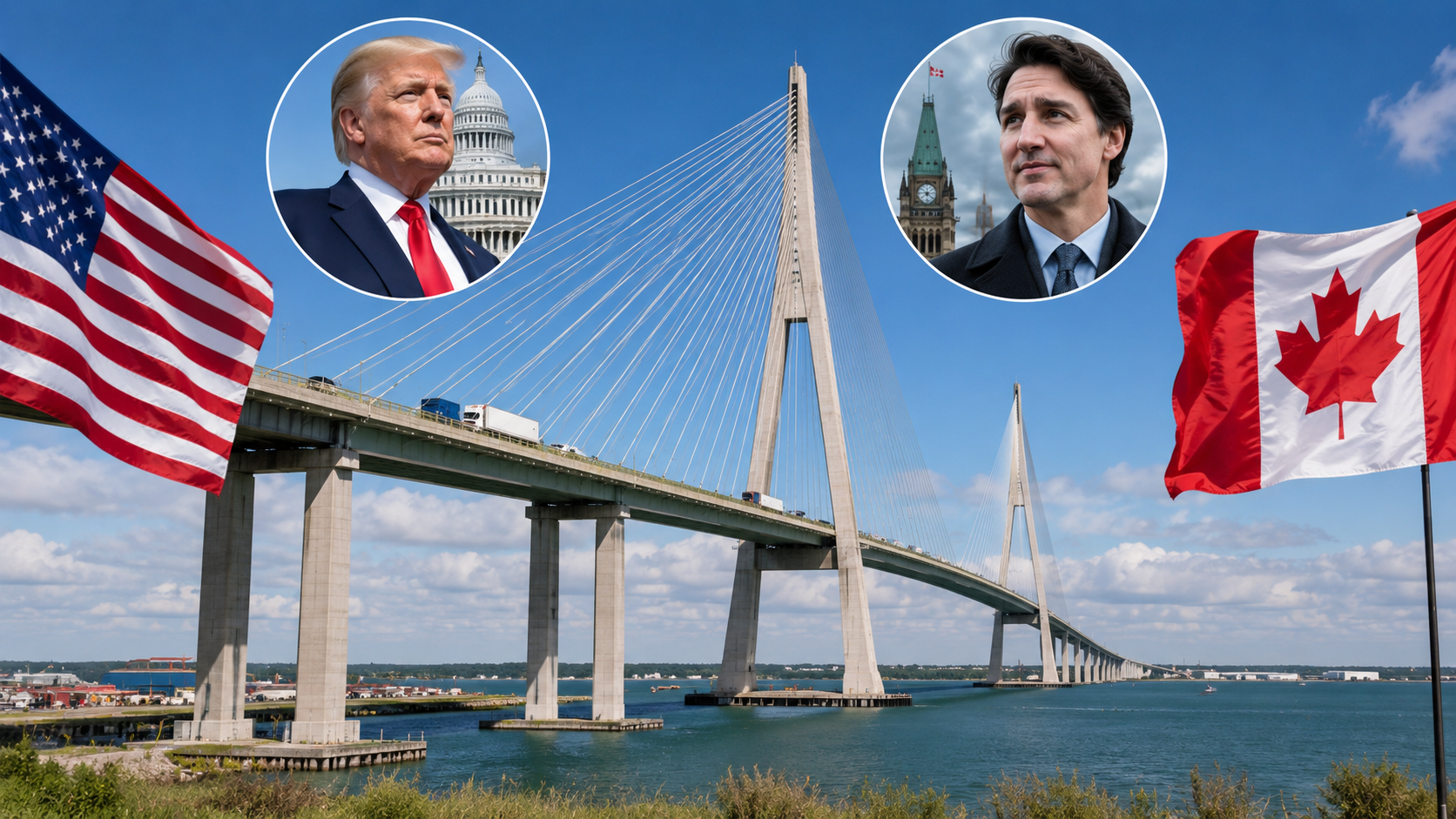
If you’ve seen headlines about Trump threatening a bridge with Canada, you’re not imagining a strange detail. A new, multibillion-dollar international bridge between Detroit and Windsor, Ontario, has become an unexpected flashpoint in U.S.-Canada relations, even though Canada paid for the entire project. People searching for “Trump Canada bridge” are usually trying to figure out which bridge this is, why it became political, and whether it’s actually open yet.
This article walks through the background, the dispute itself, and where things stand, based on reporting from outlets covering the story as it has developed.
Direct Answer
The “Trump Canada bridge” refers to the Gordie Howe International Bridge, a new crossing connecting Detroit, Michigan, and Windsor, Ontario. Canada paid for its roughly $4–6 billion construction, with ownership split between Canada and the state of Michigan. In February 2026, President Trump threatened to block its opening unless Canada gave the U.S. concessions, including a share of toll revenue. As of mid-June 2026, the bridge is fully built but its opening has been delayed indefinitely at the request of the Trump administration.
What Is the Gordie Howe International Bridge?
The Gordie Howe International Bridge is a six-lane cable-stayed bridge crossing the Detroit River, linking Interstate 75 in Michigan with Highway 401 in Ontario. It’s named after Gordie Howe, the longtime Detroit Red Wings hockey player known on both sides of the border. Construction began in 2018 and the two halves of the deck were connected in June 2024, with major construction finishing by early 2026.
Why a New Bridge Was Needed
For nearly a century, the only major crossings between Detroit and Windsor were the privately owned Ambassador Bridge, built in 1929, and the Detroit-Windsor Tunnel. The Detroit-Windsor corridor handles a large share of all truck-based trade between the two countries, and officials on both sides argued a second, modern, publicly owned bridge was needed to reduce congestion and add redundancy in case the older crossing had problems.
Who Paid for It and Who Owns It
Under a 2012 agreement known as the Canada-Michigan Crossing Agreement, Canada’s federal government agreed to pay the full construction cost, while ownership of the bridge is split equally between Canada and the state of Michigan. Canada is set to collect toll revenue first, to recoup its investment, after which Michigan becomes eligible for half of future net toll revenue. The bridge is operated by the Windsor-Detroit Bridge Authority, a Canadian Crown corporation, with oversight shared by an international authority made up of Canadian and Michigan representatives.
How the Bridge Became a Political Flashpoint
Trump’s February 2026 Threat
In February 2026, Trump posted on social media that he would not allow the bridge to open until the United States was, in his words, fully compensated, and demanded Canada hand over a share of ownership. He also claimed the bridge was built with virtually no American content and that Canada controlled both sides of the crossing.
Why Officials Disputed His Claims
Canadian and Michigan officials, including Prime Minister Mark Carney, pushed back on several specifics. Carney noted that Canada paid for construction but that ownership has always been split equally with Michigan under the 2012 agreement, and that both Canadian and American steel and labor were used in the project. Michigan Governor Gretchen Whitmer’s office made similar points about shared ownership.
A Reversal From Trump’s Earlier Position
The dispute marked a shift from Trump’s own past statements. In 2017, during his first term, Trump issued a joint statement with then-Prime Minister Justin Trudeau calling for the bridge’s swift completion. His administration also later signed legislation funding U.S. inspection infrastructure tied to the project.
The Ambassador Bridge’s Long-Running Opposition
The Gordie Howe Bridge has faced organized opposition since it was first proposed, primarily from the family that owns the competing Ambassador Bridge. That family has lobbied against the project for years, including a 2018 ad campaign aimed at Trump, and has continued lobbying the current administration as the new bridge’s opening approached, given that lower planned tolls on the Gordie Howe span could pull business away from the older crossing.
Why This Matters Beyond One Bridge
Trade and Economic Stakes
The Detroit-Windsor corridor carries an enormous share of Canada-U.S. trade by truck, supporting manufacturing supply chains, particularly in the auto industry, on both sides of the border. Local officials and business groups have argued that delaying the bridge creates real costs, including lost time and efficiency for trucking companies and manufacturers who depend on predictable border crossings.
Broader U.S.-Canada Trade Tensions
The bridge dispute hasn’t happened in isolation. It overlaps with broader trade friction between the two countries, including tariff disputes and ongoing negotiations over the United States-Mexico-Canada Agreement (USMCA/CUSMA), which governs continental trade and was up for renewal review in 2026.
Domestic Political Reaction in Michigan
Because Michigan co-owns the bridge and depends heavily on cross-border trade, the dispute drew bipartisan pushback within the state. Michigan lawmakers from both parties, along with business and labor groups, generally argued that blocking or delaying the bridge would primarily hurt American workers and businesses rather than pressure Canada.
Current Status of the Bridge
As of mid-June 2026, the Gordie Howe International Bridge is physically complete. A ribbon-cutting ceremony had been scheduled for June 12, with traffic expected to begin flowing by June 15. That ceremony was canceled the day before it was set to happen, and the opening was postponed indefinitely. Canadian officials said the delay was requested by the United States to resolve a set of unspecified “outstanding issues,” while a White House official said the administration’s position on the bridge had not changed since Trump’s February threat.
Because this situation has continued to shift quickly, with announced opening dates being set and then postponed more than once, readers should check current, dated news coverage for the latest status rather than relying on any single article, including this one, for a final answer on when the bridge will actually open.
Common Misunderstandings About the Dispute
Misunderstanding: Canada owns the entire bridge.
Ownership is split equally between Canada and Michigan under the 2012 agreement, even though Canada paid the full construction cost.
Misunderstanding: No American materials or workers were involved.
Officials on both sides have said the project used steel, labor, and components from both countries, despite claims to the contrary.
Misunderstanding: The bridge opening is purely a technical or safety issue.
Officials and reporting have consistently tied the delay to broader trade negotiations and Trump’s specific demands, not to construction or engineering problems.
Misunderstanding: This is the only crossing between Detroit and Windsor.
It’s a new, additional crossing. The privately owned Ambassador Bridge and the Detroit-Windsor Tunnel remain open and operating.
Misunderstanding: The dispute means the bridge will never open.
Despite repeated delays, officials on both sides have continued to describe the disagreement as a negotiation over specific issues, not a permanent cancellation of the project.
Key Facts
- The Gordie Howe International Bridge connects Detroit, Michigan, and Windsor, Ontario, across the Detroit River.
- Construction began in 2018 and the bridge deck was fully connected in June 2024.
- Canada paid for the roughly $4–6 billion (figures vary by source and currency) construction cost in full.
- Ownership is split equally between Canada and the state of Michigan under a 2012 agreement.
- In February 2026, Trump threatened to block the bridge’s opening unless Canada agreed to unspecified concessions, including a share of tolls.
- A planned June 12, 2026, ribbon-cutting ceremony was canceled, and the bridge’s opening was delayed indefinitely at the request of the U.S. administration.
FAQ
What is the “Trump Canada bridge” people are talking about?
It’s the Gordie Howe International Bridge between Detroit and Windsor, Ontario, which became politically contentious after President Trump threatened in February 2026 to block its opening.
Did Canada really pay for the entire bridge?
Yes. Under the 2012 Canada-Michigan Crossing Agreement, Canada’s federal government covered the full construction cost, to be recouped through tolls, while ownership is shared equally with Michigan.
Why did Trump want to block the bridge?
He argued the U.S. wasn’t being treated fairly in trade dealings with Canada and demanded compensation, including a share of bridge ownership or toll revenue, as a condition for allowing the bridge to open.
Is the bridge open now?
As of mid-June 2026, it was not yet open to traffic. A planned opening was postponed indefinitely while the two governments work through what officials described as outstanding issues. Check current news for the latest update, since this situation has changed multiple times.
Does this affect other border crossings?
The dispute specifically concerns the new Gordie Howe Bridge. The existing Ambassador Bridge and Detroit-Windsor Tunnel have continued operating as usual throughout the dispute.
Is this connected to other U.S.-Canada trade issues?
Yes. It has overlapped with broader trade tensions, including tariff disputes and negotiations over the USMCA/CUSMA trade agreement, which were also active in 2026.
Key Takeaways
- The Gordie Howe International Bridge is a new Detroit-Windsor crossing that Canada paid for and co-owns with Michigan.
- Trump threatened in February 2026 to block its opening over broader trade grievances with Canada.
- Canadian and Michigan officials disputed several of his specific claims about ownership and construction content.
- The bridge was physically completed by mid-2026, but its opening has been delayed multiple times amid ongoing negotiations.
- The dispute is tied to wider U.S.-Canada trade tensions, not a standalone construction or safety issue.
Conclusion
The Gordie Howe International Trump Canada Bridge dispute shows how an infrastructure project years in the making can become entangled in broader political and trade disagreements almost overnight. The bridge itself is finished, but its opening has become a bargaining chip in a wider negotiation between the U.S. and Canada. Because the situation has shifted several times already, with new opening dates announced and then delayed, anyone following this story closely should look for the most recent, dated reporting to know where things currently stand.
Introduction
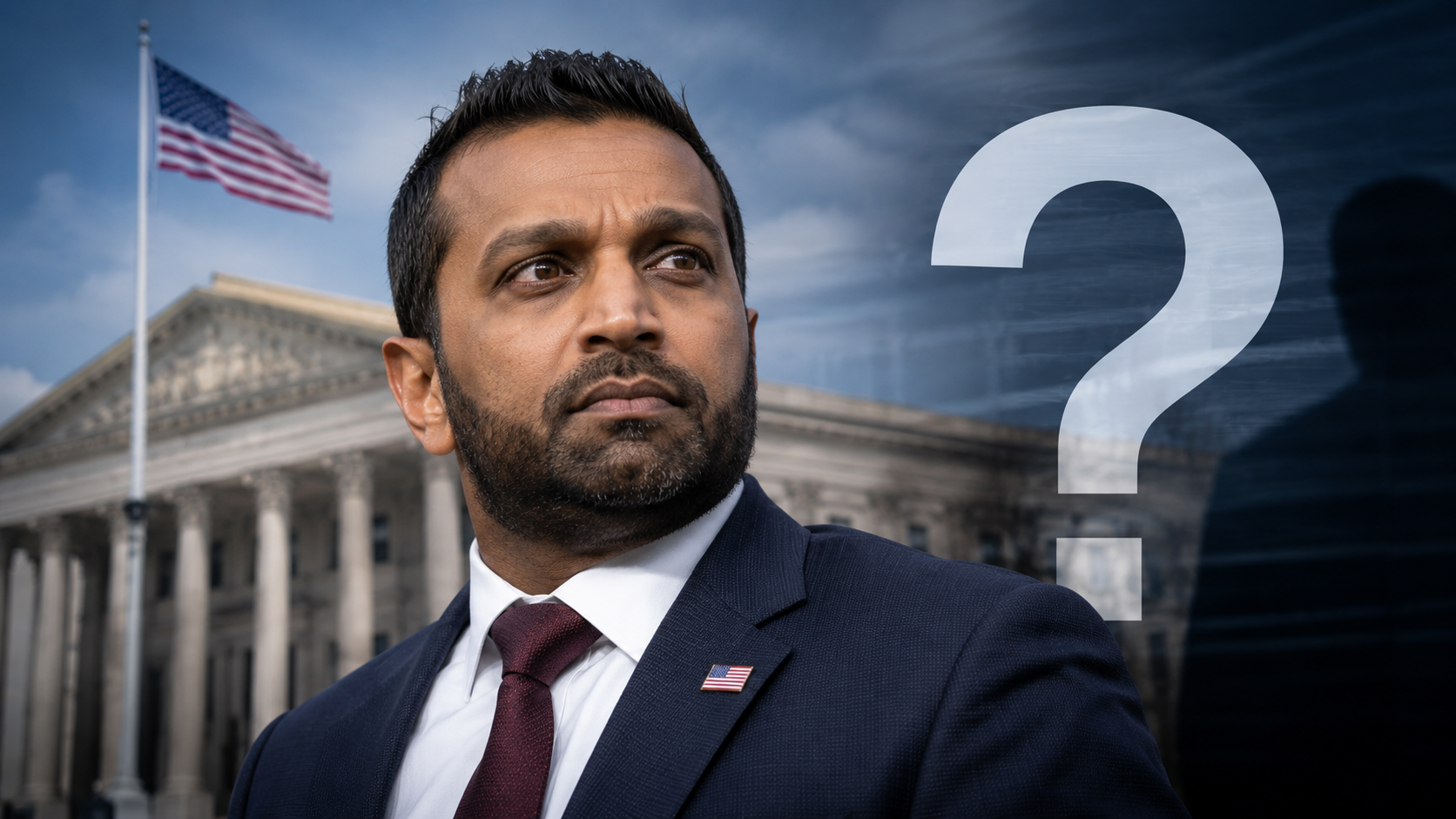
Search interest in “Kash Patel removed” spikes every time a new controversy involving the FBI director makes headlines. Some of that traffic comes from people who saw a headline about him removing FBI staff and assumed it meant the opposite. Some comes from people who remember a real removal, just not the one they think. And some comes from ongoing news coverage about pressure on his position.
Because the facts here are easy to mix up, and because this involves a sitting federal official whose status can change quickly, this article focuses on what’s actually been confirmed, sourced to news reporting and official statements, rather than speculation.
Direct Answer
As of this writing, Kash Patel has not been removed as FBI Director. He has held that position since February 2025. He was removed from a different, smaller role: acting director of the Bureau of Alcohol, Tobacco, Firearms and Explosives (ATF), a post he held briefly in early 2025 before being replaced that April. Separately, Patel has drawn scrutiny for removing dozens of FBI personnel during his tenure, which is a different story from him being removed.
Why This Search Term Is So Confusing
A few different threads have gotten tangled together in search results and social media, and untangling them helps explain why “Kash Patel removed” returns mixed signals.
He Removed Others, Rather Than Being Removed Himself
A large share of news coverage about Patel and “removal” describes actions he has taken, not actions taken against him. Since taking over as FBI Director, Patel has dismissed or reassigned a notable number of senior agents and field office leaders, several of whom had worked on investigations connected to Donald Trump. The FBI Agents Association has publicly criticized the scale of these moves, describing the changes as creating instability within the bureau.
He Was Removed From a Different, Smaller Role
Shortly after his Senate confirmation as FBI Director in February 2025, Patel was also named acting director of the ATF. That arrangement didn’t last. By April 2025, he had been replaced in that ATF role, while remaining FBI Director. This is likely the closest match to anyone searching specifically for an instance where Patel himself was removed from a position.
Ongoing Controversies Have Fueled Speculation About His Job Security
Throughout 2025 and into 2026, Patel has faced a string of controversies, including reporting on personal use of FBI resources, congressional scrutiny over bonus payments to staff, and a high-profile report alleging unexplained absences and excessive drinking, which Patel has denied and is contesting in a defamation lawsuit. None of these controversies have resulted in his removal as FBI Director, but they’ve kept his job status part of ongoing political conversation.
Background: How Kash Patel Became FBI Director
Patel was nominated by President Trump after then-Director Christopher Wray announced in December 2024 that he would step down once Trump’s term began. The Senate confirmed Patel in a narrow, largely party-line vote in February 2025. He is the first person of South Asian descent to lead the FBI.
Before becoming director, Patel had worked as a federal public defender, a Department of Justice staffer, a senior aide on the House Intelligence Committee, and later in national security roles during Trump’s first term. He had also written a bestselling book critical of what he describes as a “deep state” within federal agencies, which became a talking point during his confirmation hearings.
What Has Actually Happened During His Tenure
Major Internal Restructuring
Patel pursued a plan to shift agents and resources away from FBI headquarters in Washington, D.C., aiming to redirect personnel to field offices and a facility in Huntsville, Alabama. Reporting at the time noted that internal estimates put the cost of this restructuring at roughly $100 million, a figure officials said the agency hadn’t budgeted for.
Personnel Removals
Across 2025 and into 2026, Patel has removed numerous senior officials, often citing internal policy or conduct issues. Critics, including some former bureau leaders, have argued that many of these removals were politically motivated, particularly those involving agents connected to investigations of Trump or cases related to January 6, 2021. The FBI has generally declined to comment in detail on individual personnel matters.
Controversies Over Personal Conduct and Spending
Patel has faced reporting on the use of FBI aircraft for personal travel, congressional inquiries into bonus payments made to members of his security and advisory teams, and a widely discussed magazine investigation alleging repeated unexplained absences. Patel has denied wrongdoing in each case and has pursued legal action against at least one publication over its reporting.
Continued Public Role
Despite the controversies, Patel has continued to serve actively in his role, including public statements on law enforcement operations, congressional budget testimony, and public security planning around major events such as international sporting tournaments held in the United States.
How to Verify Claims Like This Yourself
Given how quickly political news changes, it’s worth knowing how to check claims like “X official was removed” rather than relying on a single headline or social post.
- Check the date of the source. Older articles about personnel changes can resurface and get mistaken for current news.
- Look for the original reporting outlet, not just a social media summary, since headlines are often shortened in ways that change the meaning.
- Distinguish between a role and a title. Someone can be removed from one position while keeping another, as happened with Patel’s ATF role versus his FBI directorship.
- Check official channels, such as agency press releases or congressional testimony schedules, for confirmation of someone’s current status.
- Watch for the difference between “removed,” “reassigned,” and “under investigation,” since these terms get used loosely in headlines but mean very different things.
Common Mistakes People Make With This Search
Mistake: Assuming any “Patel removed” headline refers to him losing the FBI directorship. Most coverage discussing removals refers to staff he removed, not actions against him.
Mistake: Confusing his ATF role with his FBI role. These are two separate positions with separate timelines, and only the ATF post saw an actual change in early 2025.
Mistake: Treating ongoing controversy as confirmation of removal. Investigations, lawsuits, and criticism don’t automatically mean someone has lost their position.
Mistake: Assuming the situation is settled. Personnel status in any administration can change, and anyone researching this topic for current accuracy should check recent, dated sources rather than relying on older coverage.
Key Facts
- Kash Patel was confirmed as FBI Director by the Senate on February 20, 2025, in a 51–49 vote.
- He briefly served as acting director of the ATF starting in February 2025 and was replaced in that specific role by April 2025.
- He is the first FBI Director of South Asian descent.
- His tenure has included large-scale internal personnel changes, congressional scrutiny, and multiple personal conduct controversies.
- Patel has denied wrongdoing in connection with reporting on his conduct and has pursued a defamation lawsuit against at least one media outlet.
- As of mid-2026, Patel remains FBI Director and continues to make public statements and testify before Congress in that capacity.
FAQ
Has Kash Patel been removed as FBI Director?
No. As of this writing, he remains FBI Director. He was removed only from a separate, earlier role as acting ATF director in 2025.
Why do people think Kash Patel was removed?
Likely a mix of factors: news coverage describing personnel he removed (rather than his own removal), his earlier exit from the ATF role, and ongoing controversies that have fueled speculation about his job security.
What controversies has Kash Patel faced?
Reporting has covered his use of FBI resources for personal travel, congressional questions about bonus payments to staff, and allegations of repeated unexplained absences, which he has denied.
Is Kash Patel under investigation?
Congressional Democrats, who currently lack subpoena power as the minority party, have opened inquiries into specific spending and personnel decisions. These inquiries are not the same as a formal removal process.
Can an FBI Director be removed from office?
Yes. An FBI Director can be removed by the president, similar to other senior executive branch appointees, though doing so has historically been politically significant given the role’s traditional independence from White House influence.
Where can I check his current status?
Official FBI press releases, congressional hearing records, and dated reporting from established news organizations are the most reliable ways to confirm someone’s current government position.
Key Takeaways
- Kash Patel has not been removed as FBI Director as of this writing.
- He was removed from a separate role, acting ATF director, in 2025.
- Much of the “Patel removed” search confusion stems from coverage of him removing FBI staff, not the reverse.
- Ongoing controversies have not resulted in his removal from the FBI directorship.
- Always check dated, original sources before assuming a political figure’s status has changed.
Conclusion
The search “Kash Patel removed” reflects real news, just not the news many searchers expect. Patel was removed from an acting ATF post in 2025, has overseen significant and controversial personnel removals within the FBI, and has faced ongoing scrutiny over his conduct, but he has not been removed as FBI Director. Because political news around his position continues to develop, anyone tracking this story closely should rely on current, dated reporting rather than headlines that may already be out of date.

Philadelphia Phillies vs Los Angeles Dodgers matchups are among the most anticipated games on the MLB calendar. Both franchises carry playoff pedigree, national fan bases, and a postseason rivalry that’s grown sharper in recent years. Whether you’re in Philly, Los Angeles, or somewhere in between, finding where to watch can be trickier than it used to be — games are now split across regional sports networks, national cable, and a growing list of streaming platforms.
Here’s everything you need to know for the 2026 season.
Quick Answer
Where to watch Phillies vs Dodgers: Games air on NBC Sports Philadelphia and Spectrum SportsNet LA for local viewers. National broadcasts appear on ESPN, ESPN Unlimited, and MLB Network depending on the game. Streaming options include MLB.TV (out-of-market), Fubo, Hulu + Live TV, and YouTube TV. The next series at Citizens Bank Park runs July 20–22, 2026.
Upcoming Phillies vs Dodgers Games in 2026
The Phillies and Dodgers met twice in 2026 before the All-Star break. Their first series ran May 29–31 in Los Angeles at Dodger Stadium. The second and final regular-season series brings the Dodgers to Philadelphia:
- July 20 — Phillies vs. Dodgers | 7:10 PM ET | ESPN
- July 21 — Phillies vs. Dodgers | 6:40 PM ET | NBC Sports Philadelphia
- July 22 — Phillies vs. Dodgers | 6:40 PM ET | NBC Sports Philadelphia
These games take place at Citizens Bank Park in Philadelphia. Note that broadcast assignments can change — always double-check the MLB app or your local listings the day of the game.
How to Watch on TV
Local Broadcasts
If you’re in the Philadelphia market, the majority of Phillies games air on NBC Sports Philadelphia (NBCSP). NBC Sports Philadelphia, NBC Sports Philadelphia Plus, and NBC10 carry 148 of the team’s 162 broadcasts in 2026.
Dodgers fans in the Los Angeles area will find their games on Spectrum SportsNet LA, the team’s regional sports network. The Philadelphia Phillies vs Los Angeles Dodgers game on May 30 aired on Spectrum SportsNet LA and MLB Network.
National TV Channels
When the Phillies and Dodgers meet on a national stage, the game typically lands on one of these channels:
- ESPN / ESPN Unlimited — carries select national MLB games weekly
- MLB Network — broadcasts nationally selected games, often for out-of-market audiences
- Fox / FS1 — carries a portion of the MLB national schedule
- NBC / Peacock — Peacock continues to expand its MLB footprint in 2026, having inherited rights to “Sunday Night Baseball” previously held by ESPN.
The remaining 14 nationally broadcast Phillies games in 2026 are split among FOX (4), ESPN (3), NBC/Peacock (3), Peacock (1), Apple TV+ (2), and Netflix (1).
How to Stream Phillies vs Dodgers Without Cable
You don’t need a traditional cable package to catch these games. Here are the main options:
MLB.TV Existing subscribers to MLB.TV are auto-renewed, and consumers can watch through the league’s platform or ESPN with valid authentication. The key limitation: MLB.TV is subject to local blackout restrictions, meaning it doesn’t work for in-market viewers. If you’re in Philadelphia or Los Angeles, you’ll need a different option.
Fubo The game airs live locally on NBC Sports Philadelphia and SportsNet LA, and streams nationally on MLB.TV for out-of-market viewers. Spectrum SportsNet is available in the L.A. area through Fubo’s main packages.
Hulu + Live TV Fans in the Philadelphia area can access the NBC Sports Philadelphia stream through Hulu + Live TV. Both Hulu Live TV and Fubo include ESPN Unlimited.
YouTube TV YouTube TV carries all games on ESPN/ABC, NBC, Fox/FS1, and TBS — covering the national broadcast slots for Phillies-Dodgers games.
Other Streaming Platforms Apple TV+ carries all “Friday Night Baseball” games; HBO Max carries TNT Sports-produced games on TBS; and Netflix provides access to Opening Night, the Home Run Derby, and the MLB at Field of Dreams Game.
Watching Without a Regional Sports Network
This is where it gets frustrating for a lot of fans. Regional sports networks (RSNs) like NBC Sports Philadelphia and Spectrum SportsNet LA aren’t included in every cable or streaming bundle. The regional sports networks that once dominated MLB broadcasting are in flux — Main Street Sports Group, the RSN responsible for nine MLB teams, had its contracts terminated due to financial issues in early 2026. NBC Sports Philadelphia, however, remains strong and will continue as the regional broadcaster for the Phillies.
If your streaming service doesn’t carry your local RSN, MLB.TV’s local market blackouts still apply, which means you may be temporarily stuck. The most reliable workaround is checking whether Fubo or DirecTV Stream carries your regional network before subscribing.
Common Mistakes When Trying to Watch
Assuming MLB.TV works for local games. It doesn’t. Blackout rules prevent in-market streaming on MLB.TV, even if you’re a paid subscriber. This catches a lot of fans off guard on game day.
Expecting the same channel every game. Phillies-Dodgers games don’t always air on the same network. A Monday night matchup might be on ESPN while the Sunday afternoon game is on NBC Sports Philadelphia or Peacock. Always verify before tip-off.
Forgetting the time zone. Dodger Stadium games start around 10:10 PM ET — late for East Coast viewers. Citizens Bank Park games typically start between 6:40 and 7:10 PM ET, which is 3:40–4:10 PM on the West Coast.
Overlooking free trials. Most major live TV streaming services offer free trials of 5–7 days. If you only need to watch one series, a trial may cover the whole thing.
Key Facts
- The Phillies and Dodgers meet six times during the 2026 regular season — three games in LA (May 29–31) and three in Philadelphia (July 20–22)
- The July 20 game at Citizens Bank Park airs on ESPN at 7:10 PM ET Yahoo Sports
- Games at Dodger Stadium air on Spectrum SportsNet LA and MLB Network Fubo
- MLB.TV is blacked out for fans in the home market of either team
- Peacock carries all NBC Sports-produced games that also air on the NBC broadcast network Sports Media Watch
- YouTube TV, Fubo, and Hulu + Live TV are the most comprehensive cable-replacement options for national MLB games
FAQ
What channel is the Phillies vs Dodgers game on tonight?
It depends on the date. Most regular-season games air on NBC Sports Philadelphia (for local Phillies fans) or Spectrum SportsNet LA (for Dodgers fans). National games in 2026 are on ESPN, Peacock, Fox, or NBC. Check the MLB app or your team’s official broadcast schedule for the specific game.
Can I watch Phillies vs Dodgers on MLB.TV?
Only if you’re outside the home markets of both teams. MLB.TV blackouts apply to in-market viewers in Philadelphia and Los Angeles.
Is Phillies vs Dodgers on ESPN?
Yes — the July 20, 2026 game at Citizens Bank Park airs on ESPN at 7:10 PM ET. Other games in the series air on NBC Sports Philadelphia.
Is Phillies vs Dodgers on Peacock?
Not in the July series specifically. Peacock carries select Sunday night games and simulcasts of NBC broadcasts. Always verify at the start of each week since assignments can shift.
What streaming service is best for watching MLB games without cable?
hat depends on your market. For Philadelphia-area fans, Hulu + Live TV and Fubo both carry NBC Sports Philadelphia. For national games, YouTube TV covers ESPN, Fox, and NBC. Out-of-market fans can use MLB.TV directly.
Do Phillies vs Dodgers games ever air on Apple TV+?
Apple TV+ carries “Friday Night Baseball” throughout the season. If the Phillies-Dodgers series falls on a Friday and gets selected, it would air exclusively on Apple TV+. Check the MLB schedule each week for Apple TV+ assignments.
Key Takeaways
- The Phillies and Dodgers play six regular-season games in 2026: three already completed in Los Angeles (May 29–31), and three coming up in Philadelphia (July 20–22)
- The July 20 game is on ESPN; July 21 and 22 are on NBC Sports Philadelphia
- Local viewers in each city need their regional sports network — Spectrum SportsNet LA or NBC Sports Philadelphia
- MLB.TV is blacked out for fans in either team’s home market
- Fubo, Hulu + Live TV, and YouTube TV are the top cable-free options for watching both regional and national MLB broadcasts
- Always check the MLB schedule or team websites the day of a game — broadcast assignments occasionally change
The Phillies-Dodgers rivalry has taken on extra weight since their recent playoff meetings, which makes every regular-season game between them worth tuning in for. With the right streaming setup, you don’t need a cable subscription to catch any of it — just a bit of prep work before first pitch.
-

 Lifestyle7 days ago
Unblocked Games: What They Are, How They Work, and What to Watch For
-
 News2 days ago
Was Kash Patel Removed? What the Search Actually Means
-

 Lifestyle7 days ago
Russia-Ukraine Ceasefire: What’s Been Agreed, What Hasn’t, and Where Talks Stand
-
 News2 days ago
Trump Canada Bridge: What’s Going On With the Gordie Howe International Bridge
-
 Sports2 weeks ago
UCLA Softball: History, Championships, and What Makes the Program Elite
-
 Lifestyle13 minutes ago
Gulf of Oman: Geography, Importance, and Everything You Need to Know
-
 News2 weeks ago
Delta Upgrade Dance Off at Salt Lake City: The Viral Gate Agent Story Explained
-
 News2 weeks ago
Auburn vs Nevada Prediction: NIT Quarterfinal Breakdown and Final Result