News
Delta Upgrade Dance Off at Salt Lake City: The Viral Gate Agent Story Explained

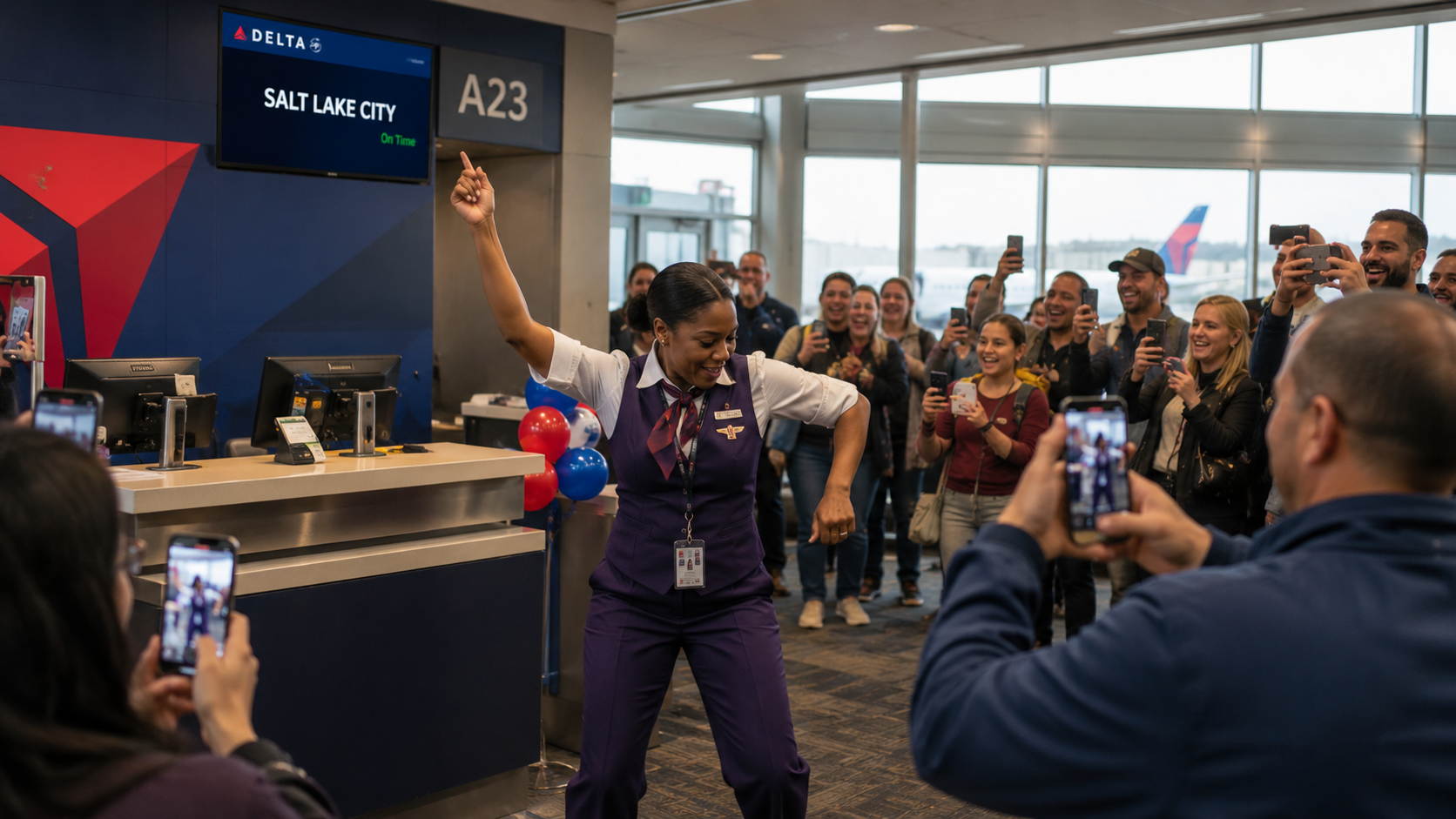
Most airport gate experiences are forgettable. You sit, you wait, you board. But at Gate A31 of Salt Lake City International Airport in March 2026, something entirely different happened — a Delta Air Lines gate agent announced over the loudspeaker that two first class seats were up for grabs, and the only requirement was a willingness to breakdance in front of a gate full of strangers.
Two passengers stepped up. The crowd watched, laughed, and clapped. Both dancers won. The whole thing was caught on video, posted to social media, and promptly went viral. If you’ve seen it and want to know the full story — what happened, why it happened, and what it says about airline upgrades more broadly — this article covers all of it.
What Was the Delta Upgrade Dance Off at Salt Lake City?
The Delta upgrade dance off at Salt Lake City was an impromptu breakdance competition organized by a Delta gate agent named Nat at Salt Lake City International Airport (SLC) in March 2026. With two empty first class seats available and the standard upgrade list already exhausted, Nat announced to waiting passengers that she needed two volunteers willing to breakdance for a complimentary upgrade to first class.
Two passengers volunteered, performed their moves in front of the gate crowd, and both received the upgrades. The moment was filmed and posted to Instagram and TikTok, where it quickly spread across travel and aviation communities.
Quick Answer: What Happened at the Delta Dance Off in Salt Lake City?
A Delta gate agent at Salt Lake City International Airport held an informal breakdance contest for two empty first class seats after the standard upgrade list was fully exhausted. Two passengers volunteered, danced in front of the waiting gate crowd, and both received complimentary upgrades to first class. A video of the event went viral on social media in March 2026, drawing widespread attention and debate about airline upgrade practices.
The Full Story: How It Unfolded
The Setup
At gate A31 in Salt Lake City, Delta Air Lines found itself with two empty first class seats. Everyone on the upgrade list had apparently already been moved up, and the main cabin was oversold.
That combination — empty premium seats and a full coach cabin — created an unusual situation. The gate agent couldn’t follow the standard upgrade protocol because the list was already cleared. Someone needed to make a judgment call about what to do with those two seats.
The Announcement
Gate agent Nat stepped up to the microphone and said: “I’m in need of two passengers to be seated in first class. Anyone willing to do a break dance to be seated into first class? Anyone? It’s a free upgrade. I just need you to break down for me.”
The pause after the announcement — and the slight smile in her eyes — was captured clearly on video. Two passengers walked up without hesitation.
The Competition
The contestants showcased moves reminiscent of popping and locking, with one participant shifting into what appeared to be Russian folk dancing. The crowd watched, laughed, and clapped. Both contestants appeared to head to the podium, suggesting they both received the seats.
Nat’s Own Explanation
The gate agent posted her own caption alongside the video. She wrote: “Not ur typical gate agent, im a fun gate agent. For my curious ppl… no upgrades on the list.. main cabin oversold. Did complementary upgrades into comfort+ but also had to do some into 1st class. Thought it was a fun idea to get a free upgrade into 1st! Sometimes u just gotta have fun with work.
Why Did This Happen? Understanding How Airline Upgrades Work
To understand why a gate agent had this kind of discretion in the first place, it helps to know how airline upgrade processes actually work.
The Standard Upgrade Hierarchy
Airlines like Delta manage upgrades through a tiered system. Elite frequent flyers — those with status like Platinum, Diamond, or similar tiers — sit at the top of the upgrade list. The order within that list is determined by factors like status level, fare class purchased, and how early check-in occurred.
When a flight has open premium seats at the gate and the upgrade list hasn’t been fully cleared, agents work through it systematically. The process is mostly automated and leaves little room for creativity.
What Happens When the List Runs Out
As passengers with eligible status had already been upgraded, the gate agent decided to organize a breakdancing competition, and the top two dancers got to bust a move and move up to the front of the plane. It is presumed that the economy was oversold, meaning that the two spare seats in first class may have needed to be filled.
Once the formal list is exhausted, gate agents do have a degree of discretion about how to handle remaining premium seats. Most use this discretion quietly — selecting a passenger who seems like a good candidate, offering a paid upgrade at the counter, or simply leaving seats empty. Nat chose a more memorable option.
This Wasn’t the First Time
Around three and a half years prior, a Delta gate agent held a similar dance-off for an upgrade into Delta Comfort+ — Delta’s extra-legroom economy product — though that incident did not receive the same level of media attention. The Salt Lake City breakdance contest stands out because it involved actual first class seats, which carry a significantly higher value and normally follow a strict protocol.
How the Public and Industry Reacted
The Positive Response
The majority of people who saw the video responded warmly. The clip was widely shared as a feel-good story — an example of a frontline worker bringing some lightness to an experience that has become increasingly transactional and stressful. The two passengers who danced were generally cheered for their willingness to go for it, and Nat received significant praise for her creativity.
The Critical View
Not everyone was enthusiastic. Travel writer Matthew Klint from Live and Let Fly argued that airlines need to rethink this approach, saying: “If airlines want loyalty to mean something again, they should consider discounted, transparent buy-ups to first class that would incentivize return business and discourage shopping around.”
The underlying concern is legitimate. When premium seats are awarded through a dance contest rather than through the loyalty system, frequent flyers who have spent years accumulating status and flying miles may reasonably question what that loyalty is actually worth.
Delta’s Position
Delta Air Lines did not publicly condemn the gate agent’s decision, nor did they formally endorse it. The story was treated as a human-interest moment rather than a policy issue — which is probably the most accurate way to frame it. It was one agent’s creative solution to an unusual situation, not a new upgrade policy.
The Broader Context: Airline Upgrades Are Getting Harder to Get
The dance-off story arrived during a period of genuine frustration among frequent flyers about the state of complimentary upgrades. Airlines seem to be getting stingier when it comes to complimentary or discounted upgrades.
Upgrade rates on major carriers have dropped significantly over the past fifteen years as airlines have shifted toward selling premium seats directly rather than awarding them through loyalty programs. Travelers who once reliably received first class upgrades based on status now find those seats increasingly sold to paying customers or held for premium fare purchasers.
That context makes the Salt Lake City dance-off both funnier and more pointed. Two people who almost certainly had no status, no elite miles, and no particular reason to expect an upgrade walked into first class because they were willing to do the robot in a Utah airport. It’s hard not to read something into that.
Key Facts
- The event took place at Gate A31 of Salt Lake City International Airport in March 2026.
- The video on TikTok accumulated over 290,600 views shortly after posting.
- The gate agent’s name is Nat; she self-described as “a fun gate agent” in her caption.
- Both dance contestants received first class upgrades.
- The main cabin was oversold and the standard upgrade list had been fully exhausted before the contest was held.
- A similar, lower-profile Delta dance-off had occurred approximately three and a half years earlier for a Comfort+ upgrade.
- Delta makes up approximately 70% of total flight traffic at Salt Lake City International Airport, making SLC one of its most significant domestic hubs.
Common Misconceptions
“This was an official Delta policy.” It wasn’t. Gate agents have discretion when the standard upgrade list is exhausted, but a breakdance contest is far outside normal procedure. This was one agent’s individual decision, not a program Delta runs.
“The passengers had to compete against each other.” The framing of “dance-off” implies a head-to-head competition, but both volunteers appear to have received upgrades. It was less a contest with a winner and loser than a spontaneous performance with two rewards.
“This kind of discretion is unusual.” Gate agents regularly exercise judgment about how to handle irregular situations at the gate. What was unusual here was the public and playful nature of the decision — not the fact that a gate agent had discretion at all.
“This proves airlines don’t care about loyalty.” One agent’s improvised moment at one gate doesn’t reflect systemic airline policy. That said, it did touch a nerve with frequent flyers who have watched complimentary upgrade rates decline — and that frustration is grounded in real data.
Frequently Asked Questions
What was the Delta dance off at Salt Lake City?
A gate agent named Nat at Salt Lake City International Airport held an impromptu breakdance contest for two empty first class seats after the standard upgrade list was exhausted. Two passengers danced, both received upgrades, and a video of the event went viral in March 2026.
Did the passengers actually get the first class upgrades?
Yes. Both passengers who danced appeared to receive the upgrades based on video evidence of them being directed to the boarding podium.
Was the gate agent punished?
No public reports indicate any disciplinary action. Delta did not issue a condemnation of the agent’s decision.
Why did the gate agent have the authority to do this?
When a flight’s upgrade list has been fully cleared and premium seats remain open, gate agents have discretion about how to fill them. Most use that discretion quietly. Nat used it creatively.
Where exactly did the dance off happen?
Gate A31 at Salt Lake City International Airport (SLC) in Utah.
Has Delta done this before?
A similar situation occurred about three and a half years earlier at a Delta gate, though that instance involved a Comfort+ upgrade rather than first class and received far less attention.
Key Takeaways
- A Delta gate agent at Salt Lake City International Airport held a breakdance contest for two first class upgrades after the standard upgrade list was fully exhausted in March 2026.
- Both passengers who volunteered and danced received the upgrades.
- The video went viral on TikTok and Instagram, drawing both praise and criticism.
- The event was one gate agent’s individual decision, not a Delta policy.
- It sparked a broader conversation about the declining value of airline loyalty programs and the shrinking availability of complimentary upgrades.
- Salt Lake City is one of Delta’s major domestic hubs, accounting for approximately 70% of the airport’s total flight traffic.
Wrapping Up
The Delta upgrade dance off at Salt Lake City is, on one level, a simple feel-good story about a creative gate agent and two passengers willing to make a room full of strangers laugh. On another level, it’s a small, accidental window into the current state of airline loyalty — where the rules feel increasingly opaque, the upgrades increasingly scarce, and the occasional moment of human spontaneity stands out precisely because it’s so different from everything else. Whether Nat’s approach was the right call or the wrong one depends on who you ask. But almost everyone who saw it smiled.

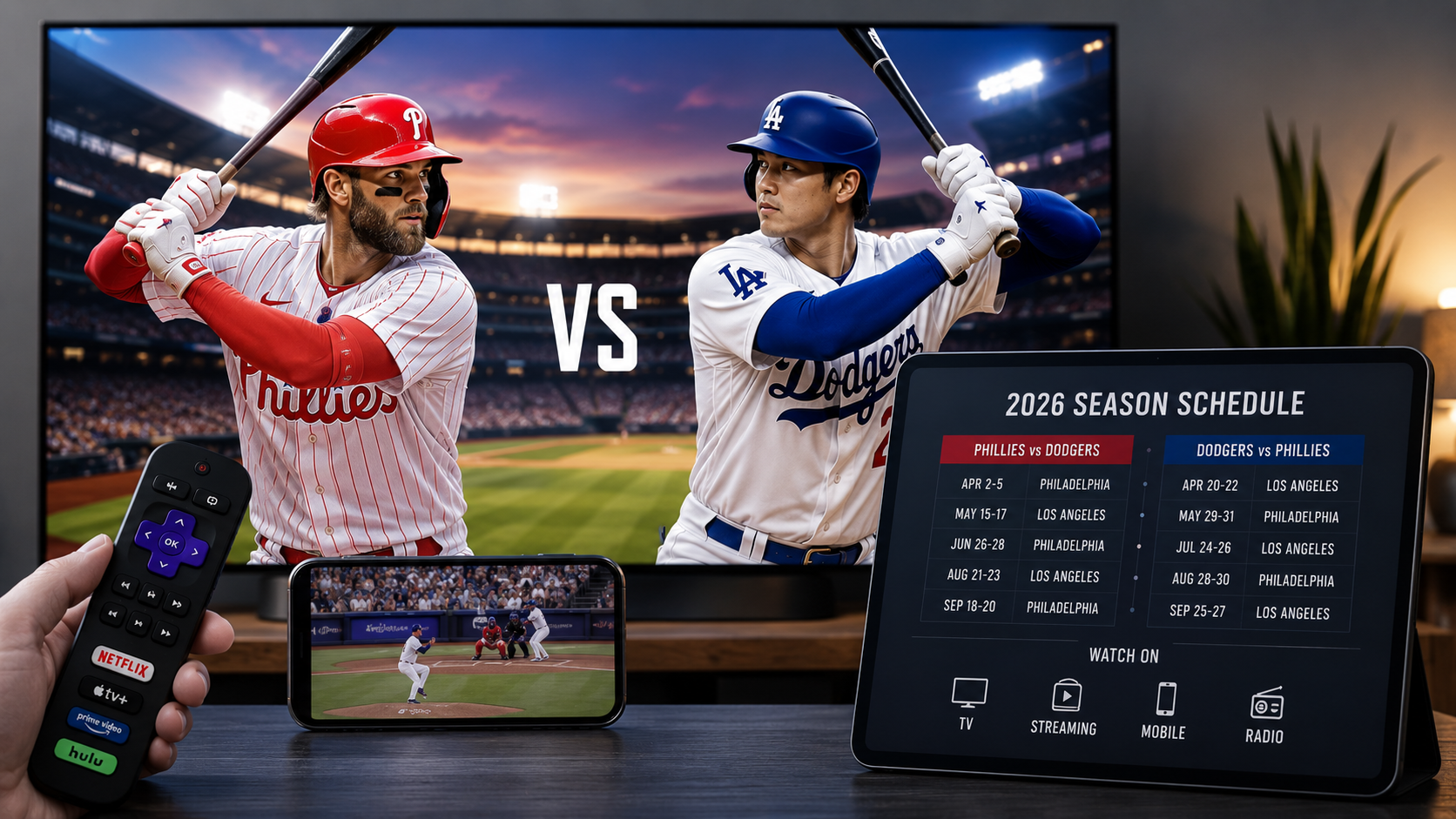
Philadelphia Phillies vs Los Angeles Dodgers matchups are among the most anticipated games on the MLB calendar. Both franchises carry playoff pedigree, national fan bases, and a postseason rivalry that’s grown sharper in recent years. Whether you’re in Philly, Los Angeles, or somewhere in between, finding where to watch can be trickier than it used to be — games are now split across regional sports networks, national cable, and a growing list of streaming platforms.
Here’s everything you need to know for the 2026 season.
Quick Answer
Where to watch Phillies vs Dodgers: Games air on NBC Sports Philadelphia and Spectrum SportsNet LA for local viewers. National broadcasts appear on ESPN, ESPN Unlimited, and MLB Network depending on the game. Streaming options include MLB.TV (out-of-market), Fubo, Hulu + Live TV, and YouTube TV. The next series at Citizens Bank Park runs July 20–22, 2026.
Upcoming Phillies vs Dodgers Games in 2026
The Phillies and Dodgers met twice in 2026 before the All-Star break. Their first series ran May 29–31 in Los Angeles at Dodger Stadium. The second and final regular-season series brings the Dodgers to Philadelphia:
- July 20 — Phillies vs. Dodgers | 7:10 PM ET | ESPN
- July 21 — Phillies vs. Dodgers | 6:40 PM ET | NBC Sports Philadelphia
- July 22 — Phillies vs. Dodgers | 6:40 PM ET | NBC Sports Philadelphia
These games take place at Citizens Bank Park in Philadelphia. Note that broadcast assignments can change — always double-check the MLB app or your local listings the day of the game.
How to Watch on TV
Local Broadcasts
If you’re in the Philadelphia market, the majority of Phillies games air on NBC Sports Philadelphia (NBCSP). NBC Sports Philadelphia, NBC Sports Philadelphia Plus, and NBC10 carry 148 of the team’s 162 broadcasts in 2026.
Dodgers fans in the Los Angeles area will find their games on Spectrum SportsNet LA, the team’s regional sports network. The Philadelphia Phillies vs Los Angeles Dodgers game on May 30 aired on Spectrum SportsNet LA and MLB Network.
National TV Channels
When the Phillies and Dodgers meet on a national stage, the game typically lands on one of these channels:
- ESPN / ESPN Unlimited — carries select national MLB games weekly
- MLB Network — broadcasts nationally selected games, often for out-of-market audiences
- Fox / FS1 — carries a portion of the MLB national schedule
- NBC / Peacock — Peacock continues to expand its MLB footprint in 2026, having inherited rights to “Sunday Night Baseball” previously held by ESPN.
The remaining 14 nationally broadcast Phillies games in 2026 are split among FOX (4), ESPN (3), NBC/Peacock (3), Peacock (1), Apple TV+ (2), and Netflix (1).
How to Stream Phillies vs Dodgers Without Cable
You don’t need a traditional cable package to catch these games. Here are the main options:
MLB.TV Existing subscribers to MLB.TV are auto-renewed, and consumers can watch through the league’s platform or ESPN with valid authentication. The key limitation: MLB.TV is subject to local blackout restrictions, meaning it doesn’t work for in-market viewers. If you’re in Philadelphia or Los Angeles, you’ll need a different option.
Fubo The game airs live locally on NBC Sports Philadelphia and SportsNet LA, and streams nationally on MLB.TV for out-of-market viewers. Spectrum SportsNet is available in the L.A. area through Fubo’s main packages.
Hulu + Live TV Fans in the Philadelphia area can access the NBC Sports Philadelphia stream through Hulu + Live TV. Both Hulu Live TV and Fubo include ESPN Unlimited.
YouTube TV YouTube TV carries all games on ESPN/ABC, NBC, Fox/FS1, and TBS — covering the national broadcast slots for Phillies-Dodgers games.
Other Streaming Platforms Apple TV+ carries all “Friday Night Baseball” games; HBO Max carries TNT Sports-produced games on TBS; and Netflix provides access to Opening Night, the Home Run Derby, and the MLB at Field of Dreams Game.
Watching Without a Regional Sports Network
This is where it gets frustrating for a lot of fans. Regional sports networks (RSNs) like NBC Sports Philadelphia and Spectrum SportsNet LA aren’t included in every cable or streaming bundle. The regional sports networks that once dominated MLB broadcasting are in flux — Main Street Sports Group, the RSN responsible for nine MLB teams, had its contracts terminated due to financial issues in early 2026. NBC Sports Philadelphia, however, remains strong and will continue as the regional broadcaster for the Phillies.
If your streaming service doesn’t carry your local RSN, MLB.TV’s local market blackouts still apply, which means you may be temporarily stuck. The most reliable workaround is checking whether Fubo or DirecTV Stream carries your regional network before subscribing.
Common Mistakes When Trying to Watch
Assuming MLB.TV works for local games. It doesn’t. Blackout rules prevent in-market streaming on MLB.TV, even if you’re a paid subscriber. This catches a lot of fans off guard on game day.
Expecting the same channel every game. Phillies-Dodgers games don’t always air on the same network. A Monday night matchup might be on ESPN while the Sunday afternoon game is on NBC Sports Philadelphia or Peacock. Always verify before tip-off.
Forgetting the time zone. Dodger Stadium games start around 10:10 PM ET — late for East Coast viewers. Citizens Bank Park games typically start between 6:40 and 7:10 PM ET, which is 3:40–4:10 PM on the West Coast.
Overlooking free trials. Most major live TV streaming services offer free trials of 5–7 days. If you only need to watch one series, a trial may cover the whole thing.
Key Facts
- The Phillies and Dodgers meet six times during the 2026 regular season — three games in LA (May 29–31) and three in Philadelphia (July 20–22)
- The July 20 game at Citizens Bank Park airs on ESPN at 7:10 PM ET Yahoo Sports
- Games at Dodger Stadium air on Spectrum SportsNet LA and MLB Network Fubo
- MLB.TV is blacked out for fans in the home market of either team
- Peacock carries all NBC Sports-produced games that also air on the NBC broadcast network Sports Media Watch
- YouTube TV, Fubo, and Hulu + Live TV are the most comprehensive cable-replacement options for national MLB games
FAQ
What channel is the Phillies vs Dodgers game on tonight?
It depends on the date. Most regular-season games air on NBC Sports Philadelphia (for local Phillies fans) or Spectrum SportsNet LA (for Dodgers fans). National games in 2026 are on ESPN, Peacock, Fox, or NBC. Check the MLB app or your team’s official broadcast schedule for the specific game.
Can I watch Phillies vs Dodgers on MLB.TV?
Only if you’re outside the home markets of both teams. MLB.TV blackouts apply to in-market viewers in Philadelphia and Los Angeles.
Is Phillies vs Dodgers on ESPN?
Yes — the July 20, 2026 game at Citizens Bank Park airs on ESPN at 7:10 PM ET. Other games in the series air on NBC Sports Philadelphia.
Is Phillies vs Dodgers on Peacock?
Not in the July series specifically. Peacock carries select Sunday night games and simulcasts of NBC broadcasts. Always verify at the start of each week since assignments can shift.
What streaming service is best for watching MLB games without cable?
hat depends on your market. For Philadelphia-area fans, Hulu + Live TV and Fubo both carry NBC Sports Philadelphia. For national games, YouTube TV covers ESPN, Fox, and NBC. Out-of-market fans can use MLB.TV directly.
Do Phillies vs Dodgers games ever air on Apple TV+?
Apple TV+ carries “Friday Night Baseball” throughout the season. If the Phillies-Dodgers series falls on a Friday and gets selected, it would air exclusively on Apple TV+. Check the MLB schedule each week for Apple TV+ assignments.
Key Takeaways
- The Phillies and Dodgers play six regular-season games in 2026: three already completed in Los Angeles (May 29–31), and three coming up in Philadelphia (July 20–22)
- The July 20 game is on ESPN; July 21 and 22 are on NBC Sports Philadelphia
- Local viewers in each city need their regional sports network — Spectrum SportsNet LA or NBC Sports Philadelphia
- MLB.TV is blacked out for fans in either team’s home market
- Fubo, Hulu + Live TV, and YouTube TV are the top cable-free options for watching both regional and national MLB broadcasts
- Always check the MLB schedule or team websites the day of a game — broadcast assignments occasionally change
The Phillies-Dodgers rivalry has taken on extra weight since their recent playoff meetings, which makes every regular-season game between them worth tuning in for. With the right streaming setup, you don’t need a cable subscription to catch any of it — just a bit of prep work before first pitch.
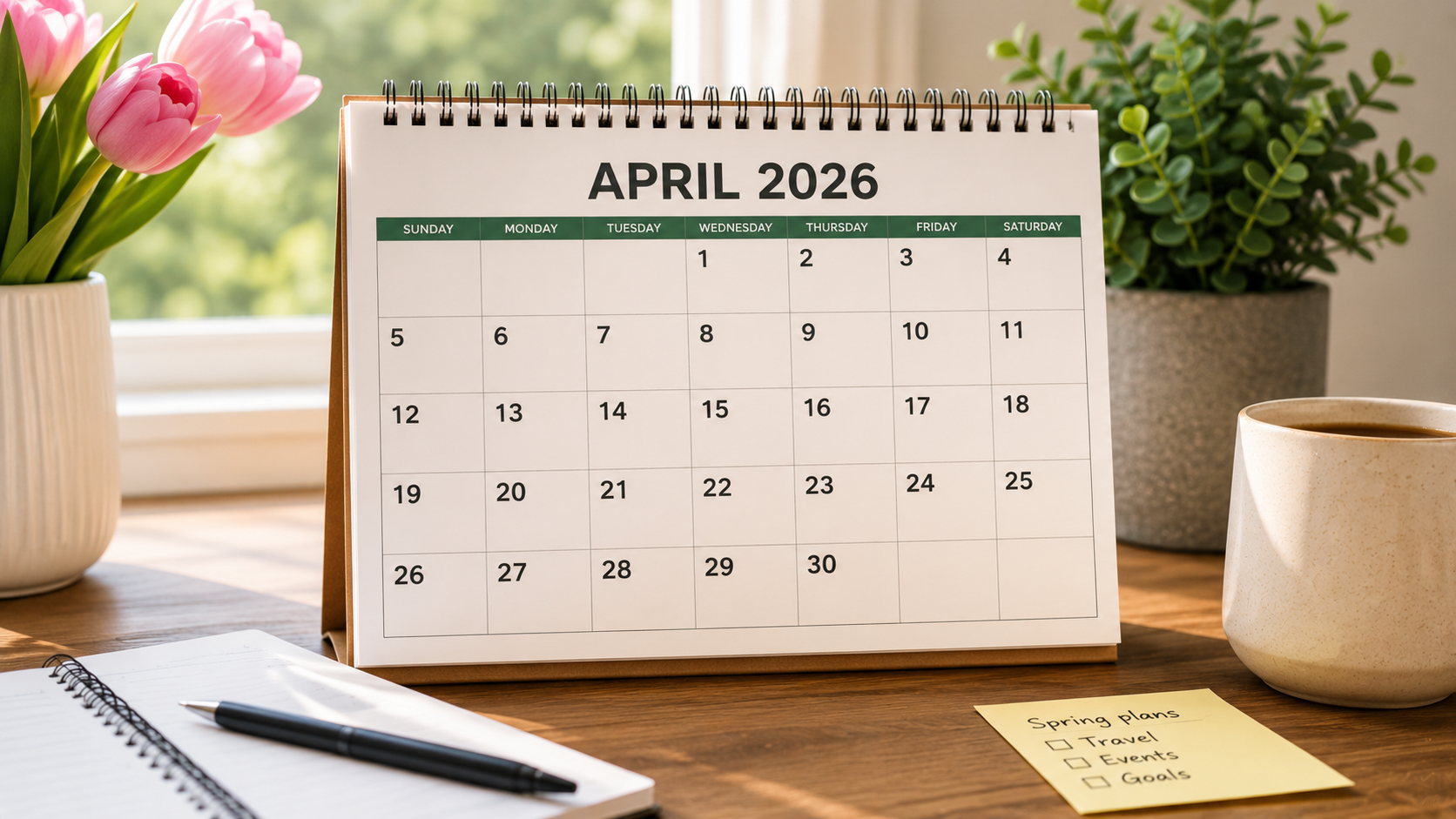
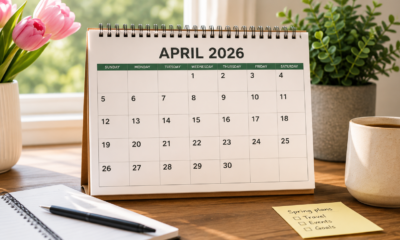
April 2026 is one of those months that manages to feel both busy and transitional at the same time. Spring is firmly underway in the Northern Hemisphere, tax deadlines loom, major holidays fall within the month, and for students and educators, the academic year is entering its final stretch. Whether you’re planning ahead, checking dates, or just orienting yourself to the month, this breakdown covers the full April 2026 calendar — day by day structure, key dates, holidays, and practical context for the month.
Quick Answer: April 2026 Calendar Overview
April 2026 has 30 days. The month begins on Wednesday, April 1, and ends on Thursday, April 30. Key dates include Easter Sunday on April 5, Earth Day on April 22, and the U.S. federal tax filing deadline on April 15. April is the fourth month of the year in the Gregorian calendar and falls entirely within the second quarter (Q2).
The April 2026 Calendar at a Glance
April 2026 starts on a Wednesday, which means the first full week of the month runs from Monday, April 6 through Sunday, April 12. Here’s how the weeks break down:
Week 1 (partial): Wednesday April 1 – Sunday April 5 Week 2: Monday April 6 – Sunday April 12 Week 3: Monday April 13 – Sunday April 19 Week 4: Monday April 20 – Sunday April 26 Week 5 (partial): Monday April 27 – Thursday April 30
The month contains five Wednesdays, five Thursdays, four of every other day of the week, and exactly four full weekends plus parts of two others.
April 2026 Holidays and Observances
Easter Sunday — April 5
Easter is the most significant religious observance in April 2026. It falls on Sunday, April 5 — earlier in the month than in many years. Easter’s date changes annually because it’s calculated based on the lunar calendar: it falls on the first Sunday after the first full moon following the spring equinox.
Easter is observed by Christians worldwide as the celebration of the resurrection of Jesus Christ. In many countries it also carries cultural traditions around family gatherings, decorated eggs, and spring celebrations that extend beyond religious observance. Good Friday (April 3) and Holy Saturday (April 4) precede Easter Sunday and are observed as part of Holy Week.
Easter on April 5 means the holiday lands early in the month, giving the rest of April a post-holiday feel for many families.
Tax Day — April 15
In the United States, April 15 is the federal income tax filing deadline — commonly called Tax Day. For the 2025 tax year, returns are due to the Internal Revenue Service (IRS) by April 15, 2026, unless an extension is filed.
This date is one of the most practically significant on the April 2026 calendar for American adults. Those who need more time can file IRS Form 4868 to request an automatic six-month extension, though any taxes owed must still be estimated and paid by April 15 to avoid penalties and interest.
State income tax deadlines vary. Most states align with the federal deadline, but some have different due dates, so it’s worth confirming your specific state’s requirements.
Earth Day — April 22
Earth Day falls on Wednesday, April 22, 2026. First observed in 1970, Earth Day is an annual event dedicated to environmental awareness and action. It’s observed in more than 190 countries and typically involves community clean-ups, educational events, tree planting initiatives, and calls for environmental policy action.
April 22 has been Earth Day’s fixed date since its founding. Unlike many observances that move based on weekdays or lunar cycles, Earth Day is always April 22.
Arbor Day — April 24
National Arbor Day in the United States falls on the last Friday of April each year, making it April 24 in 2026. The holiday encourages the planting and care of trees and is observed with tree-planting events at schools, parks, and communities across the country. Individual states sometimes observe their own Arbor Day on different dates based on optimal planting seasons for their region.
Administrative Professionals Day — April 22
Also known as Secretaries Day, Administrative Professionals Day falls on the Wednesday of the last full week of April. In 2026, that’s April 22 — the same day as Earth Day. It’s a day to recognize the contributions of administrative staff in workplaces across the country.
Other Notable Observances in April 2026
April is National Poetry Month in the United States and Canada, established by the Academy of American Poets in 1996 to increase awareness and appreciation of poetry.
April is also Autism Acceptance Month, formerly called Autism Awareness Month, focusing on inclusion and understanding for autistic individuals.
Passover (Pesach) begins on the evening of April 1, 2026, and runs through April 9. Passover is one of the most important Jewish holidays, commemorating the liberation of the Israelites from slavery in ancient Egypt as described in the Book of Exodus.
The Structure of April: Working Days and Weekends
For anyone planning work schedules, project timelines, or payroll cycles, here’s the practical breakdown of April 2026:
April 2026 contains 22 weekdays (Monday through Friday) and 8 weekend days. If Good Friday (April 3) or Easter Monday (April 6) are observed as holidays in your organization or country, the effective working days in the month may be fewer.
For businesses operating on a monthly billing or payroll cycle, April’s 30-day structure and 22-weekday count make it a standard spring month with no unusual calendar anomalies.
April in Context: Seasons, School, and Planning
Spring in the Northern Hemisphere
April 2026 sits firmly in spring for the Northern Hemisphere. The spring equinox occurred in late March, meaning April brings longer days, warming temperatures, and the natural shift away from winter across most of North America, Europe, and Asia.
For the Southern Hemisphere — including Australia, South Africa, and South America — April falls in autumn, with temperatures beginning to cool and daylight hours shortening.
Academic Calendar
For students and educators in the United States, April represents the final full month before the end of the academic year. Final exams, spring breaks, and graduation planning all cluster around April and May. Many school spring breaks fall in late March or early April, meaning some schools are still in spring break mode at the start of April 2026.
For college students, April is typically the last full month of coursework before finals week in May.
Financial Quarter
April 2026 marks the start of the second quarter (Q2) of the calendar year. For businesses that operate on a calendar-year fiscal schedule, April 1 signals the beginning of Q2 planning, reporting, and forecasting. First-quarter (Q1) performance reviews and reports are typically finalized in early April.
How to Use the April 2026 Calendar Effectively
For Personal Planning
If you’re managing a household calendar, a few key actions make April go more smoothly:
Mark the tax filing deadline (April 15) well in advance. If you haven’t filed by early April, you still have time — but waiting until the 14th creates unnecessary stress.
Note that Easter falls on April 5, which means many retail businesses, some government offices, and schools may observe closures on Good Friday (April 3) or the Monday after Easter (April 6). Check what applies to your area.
For Work and Business
Start Q2 planning early. With April 1 kicking off the new quarter, having a clear month-by-month roadmap for Q2 (April through June) set before April begins prevents a reactive start to the quarter.
Administrative Professionals Day on April 22 is worth noting for managers who want to recognize their support staff — early planning prevents last-minute scrambles.
For Students and Educators
April’s placement in the academic calendar makes it a high-priority planning month. Exam schedules, project deadlines, and end-of-year events typically begin appearing on the calendar in April. Getting ahead on these in the first two weeks of the month reduces pressure heading into May.
Common Misconceptions About April Dates
“Easter is always in April.” Easter can fall in either March or April. The earliest possible Easter date is March 22, and the latest is April 25. In 2026, Easter lands on April 5 — early in the month, but firmly in April.
“Tax Day is always April 15.” Mostly true, but not absolutely. When April 15 falls on a weekend or a federal holiday, the deadline shifts to the next business day. In 2026, April 15 is a Wednesday, so the deadline holds as standard.
“Earth Day and Arbor Day are the same.” They’re related in theme but distinct. Earth Day is always April 22. Arbor Day is the last Friday of April — in 2026, that’s April 24. Both focus on environmental stewardship but have separate origins and observances.
Key Facts About April 2026
- April 2026 has 30 days, beginning Wednesday April 1 and ending Thursday April 30.
- Easter Sunday falls on April 5.
- Passover begins on the evening of April 1 and ends April 9.
- The U.S. federal income tax deadline is April 15.
- Earth Day is April 22.
- Arbor Day is April 24.
- Administrative Professionals Day is April 22.
- April contains 22 weekdays and 8 weekend days.
- April is National Poetry Month and Autism Acceptance Month in the United States.
- April 2026 marks the start of Q2 for calendar-year businesses.
Frequently Asked Questions
What day does April 2026 start on? April 1, 2026 falls on a Wednesday.
How many days are in April 2026?
30 days. April always has 30 days regardless of the year.
When is Easter in April 2026?
Easter Sunday is April 5, 2026. Good Friday is April 3 and Holy Saturday is April 4.
When is Tax Day in April 2026?
April 15, 2026. This is the deadline for U.S. federal income tax returns for the 2025 tax year.
When is Earth Day 2026?
Earth Day is always April 22 — in 2026, that falls on a Wednesday.
When does Passover start in 2026?
Passover begins at sundown on April 1, 2026, and runs through April 9.
How many working days are in April 2026?
22 weekdays, though actual working days may vary based on observed holidays like Good Friday or Easter Monday in your region or organization.
What quarter is April 2026 in?
April 2026 is in Q2 (second quarter) of the calendar year.
Key Takeaways
- The April 2026 calendar runs Wednesday April 1 through Thursday April 30, covering 30 days.
- Major dates include Easter (April 5), Tax Day (April 15), Earth Day (April 22), and Arbor Day (April 24).
- Passover spans April 1-9, overlapping with the beginning of Holy Week.
- April 2026 contains 22 weekdays and marks the start of Q2 for calendar-year planning.
- For students, it’s the last full month before end-of-year exams. For businesses, it’s the opening of the second quarter. For individuals, it’s tax filing season and spring planning.
Wrapping Up
The April 2026 calendar is fuller than it might initially appear. Between the religious observances at the start of the month, the tax deadline in the middle, and the environmental and civic observances toward the end, it’s a month with meaningful anchors spread across all four weeks. Understanding the structure of the month — where the holidays fall, how the weeks line up, and what the key deadlines are — makes it significantly easier to plan both personal and professional commitments well in advance.
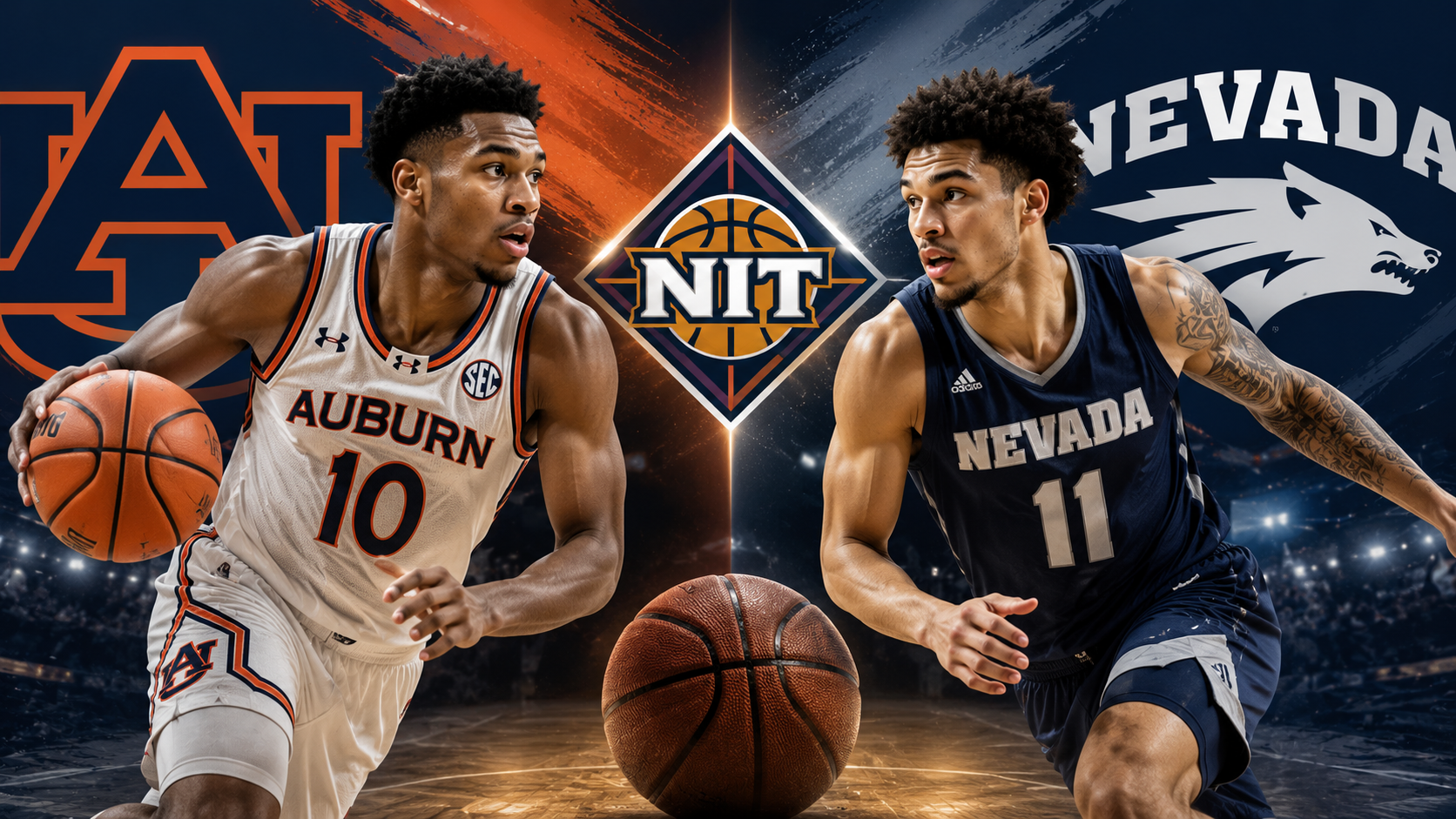
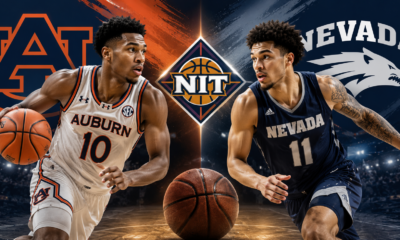
When Auburn and Nevada squared off in the 2026 NIT Quarterfinals on March 25, it was a matchup that drew genuine curiosity from college basketball fans. Auburn, the No. 1 seed and last remaining Power conference program in the tournament, hosted Nevada at Neville Arena — and the game ended up being more competitive than most pre-game predictions suggested. Here’s everything worth knowing: how analysts sized it up beforehand, what the numbers showed, and how it actually finished.
Quick Answer: Auburn vs Nevada Prediction and Result
Pre-game prediction models gave Auburn a roughly 77–78% win probability against Nevada in the 2026 NIT Quarterfinal, with a predicted final score around 82–75 in Auburn’s favor. The final score was Auburn 75, Nevada 69 — a closer game than most models projected, with Nevada mounting a second-half comeback that fell just short.
Game Context: Why This Matchup Mattered
The Setting
The top-seeded Auburn Tigers (19-16 entering the game), the last power conference program still standing in the NIT, hosted the No. 2 seed Nevada Wolf Pack (24-12) at Neville Arena in Auburn, Alabama. Tip-off was at 9:00 PM ET on ESPN2.
Auburn’s position as the lone SEC program remaining gave the game added significance. For a Tigers program coming off a difficult regular season by its own standards, the NIT had become a genuine source of momentum and fan engagement.
Nevada came in with a strong record and a legitimate résumé. The Wolf Pack had gone 24-12, finishing 5th in the Mountain West Conference, and advanced to the quarterfinals with a 73–63 win over the Liberty Flames in the second round.
Auburn’s Path to the Quarterfinals
Auburn advanced from the second round with a 91–85 win over the Seattle Redhawks. The Tigers had played all three of their NIT games at Neville Arena, where their home record during the season was exceptional.
Pre-Game Prediction: What the Numbers Said
Auburn as Heavy Favorite
Auburn entered as a 9.5-point favorite, with the over/under set at 154.5 total points. Moneyline odds had Auburn at around -475, meaning bettors had to risk $475 to win $100 on the Tigers outright.
Multiple predictive models gave Auburn a 77% chance of winning. Predicted final scores from various simulations clustered around an Auburn win in the 82–74 range.
The logic was straightforward: Auburn was playing at home, was the tournament’s top seed in their region, and had the advantage of familiarity with Neville Arena — a venue where they had been nearly unbeatable all season.
The Case for Nevada Against the Spread
Not every analyst agreed with backing Auburn at -9.5. Some experts pointed out that fading Auburn against the spread had been profitable lately, and Nevada gave plenty of reasons to back the underdogs to keep it close.
In their last 10 games heading into the quarterfinal, Nevada had gone 7-3 straight up and 6-4 against the spread, with an active two-game winning streak in both categories. The Wolf Pack were a capable team capable of staying within single digits against better competition.
Key Factors Analysts Highlighted
Several factors shaped the pre-game analysis:
Auburn’s home dominance. Auburn finished the 2025-26 season with a 14-4 record at Neville Arena. Playing in front of a home crowd in a tournament setting gave the Tigers a significant advantage on paper.
Nevada’s inside presence. Elijah Price was identified as a matchup problem — a big man capable of both scoring and rebounding who could create second-chance opportunities and disrupt Auburn’s interior.
Pace and scoring totals. The over/under model suggested a 54% chance of the total going over 153.5 points, indicating analysts expected a relatively high-scoring game.
Auburn’s second-half offense. Analysts noted Auburn’s offense was averaging 48.5 points per second half in the NIT heading into the quarterfinal, suggesting the Tigers had a habit of pulling away as games progressed.
How the Game Actually Played Out
First Half: Auburn Takes Control
Nevada struggled out of the gate, with Auburn building an early eight-point lead. The Wolf Pack cut the deficit to four on a second-chance layup, but the Tigers responded with a strong run to build a 30-14 lead, forcing Nevada to call a timeout. Nevada recovered somewhat, cutting it to 32-24 after a Vaughn Weems layup — but Auburn closed the half strongly at 38-26.
Freshman Filip Jovic was particularly effective in the first half, throwing down two dunks and finishing the half with 12 points and 6 rebounds.
Second Half: Nevada’s Comeback Falls Short
Auburn extended its advantage early in the second half. The Tigers pushed their lead to 16 points — 53-37 — near the midway point of the second half.
Nevada refused to fold. The Wolf Pack went on a run, cutting the deficit to eight points. They kept battling, at one point trimming the gap to six.
With 4:41 remaining and Nevada having scored seven straight to cut the lead to six, Auburn answered. After a Tigers turnover, Nevada missed an open corner three-pointer, and Johni Broome answered with a dunk for a 63-55 lead. Pettiford made a steal and passed to Hall for a transition dunk to extend the advantage. Freeman then delivered repeatedly down the stretch, scoring eight points in the final four minutes to help Auburn advance.
Final Score and Key Performers
Auburn won 75-69. The final statistics told the story of a competitive game: Nevada shot 46% from the field and 35% from three, while Auburn shot 49% overall but just 25% from beyond the arc. Nevada committed 12 turnovers to Auburn’s 7.
Top performers:
Elijah Price led Nevada with 22 points, 11 rebounds, and four blocks — a standout individual performance on a losing side. Vaughn Weems added 15 points and Corey Camper Jr. chipped in 13. Filip Jovic led Auburn with 18 points.
How the Prediction Compared to Reality
The pre-game consensus had Auburn winning by roughly 8-9 points. The actual margin was 6 — slightly closer than projected, suggesting Nevada outperformed their predicted spread line.
Models that estimated Nevada and Auburn each had a 50% chance of covering the spread ended up being prescient. The Wolf Pack didn’t win outright, but they covered the 9.5-point spread in a loss — a meaningful distinction for anyone who had backed Nevada against the number.
The total landed at 144 points, well under the 154.5 over/under, making the under the correct call despite models leaning slightly toward the over.
What Came Next for Auburn
Auburn, now 20-16 and having won three NIT home games, advanced to the NIT semifinals in Indianapolis. The Tigers played Illinois State (23-12) next, with the winner advancing to the championship game.
Auburn ultimately won the 2026 NIT championship, finishing the season at 22-16. Their quarterfinal win over Nevada was a pivotal step in that run.
Key Facts
- Auburn entered as a 9.5-point favorite with a moneyline around -475.
- Pre-game win probability models gave Auburn a 77-78% chance of winning.
- Final score: Auburn 75, Nevada 69.
- Nevada shot 46% from the field and 35% from three in the loss.
- Nevada’s Elijah Price finished with 22 points, 11 rebounds, and 4 blocks.
- Auburn’s Filip Jovic led the Tigers with 18 points.
- Auburn went 14-4 at Neville Arena in the 2025-26 season.
- Auburn went on to win the 2026 NIT championship.
Frequently Asked Questions
Who won the Auburn vs Nevada NIT Quarterfinal game?
Auburn won 75-69 on March 25, 2026, at Neville Arena in Auburn, Alabama.
What was the predicted score for Auburn vs Nevada?
Most models predicted Auburn winning by approximately 8-9 points, with projected final scores around 82-74 in Auburn’s favor. The actual margin was 6 points.
Did Nevada cover the spread against Auburn?
Yes. Auburn was favored by 9.5 points. The 6-point final margin meant Nevada covered, despite losing the game.
Who was the best player in the Auburn vs Nevada game?
Elijah Price of Nevada had the most complete individual performance with 22 points, 11 rebounds, and 4 blocks. Filip Jovic led Auburn with 18 points on 9-of-12 shooting.
What tournament was Auburn vs Nevada played in?
The 2026 National Invitational Tournament (NIT), specifically the Quarterfinal round. Auburn was the No. 1 seed and Nevada was the No. 2 seed in the Auburn region.
Did Auburn go on to win the NIT?
Yes. Auburn won the 2026 NIT championship, finishing the season 22-16.
Key Takeaways
- Pre-game models had Auburn as heavy favorites with a ~78% win probability and a 9.5-point spread.
- Auburn won 75-69, covering the moneyline but not the spread — Nevada outperformed expectations.
- Nevada’s Elijah Price delivered one of the game’s best individual performances despite being on the losing side.
- The game finished well under the projected total of 154.5 points, landing at 144.
- Auburn used strong fourth-quarter execution — particularly from Jovic and Freeman — to hold off Nevada’s second-half comeback.
- Auburn went on to win the entire 2026 NIT, making the quarterfinal victory over Nevada a meaningful step in that championship run.
Wrapping Up
The Auburn vs Nevada NIT Quarterfinal delivered exactly what the closer-than-expected pre-game lines hinted at: a competitive game that wasn’t decided until the final minutes. Auburn’s home advantage and second-half execution proved to be the difference, but Nevada’s performance — particularly from Elijah Price — was far better than a 6-point loss suggests. The prediction models got the winner right. The margin, though, belonged to the Wolf Pack.
-
 Sports2 hours ago
UCLA Softball: History, Championships, and What Makes the Program Elite
-
 News1 hour ago
April 2026 Calendar: Dates, Holidays, and What to Know About the Month
-

 News1 hour ago
Where to Watch Phillies vs Dodgers: TV Channels, Streaming Options, and the Full 2026 Schedule
-
 News1 hour ago
Auburn vs Nevada Prediction: NIT Quarterfinal Breakdown and Final Result