Health
JD Vance Trump Health: What the Public Record Actually Shows


Why People Are Searching for This
Questions about the health of senior political figures aren’t new in American politics — but they’ve become more pointed in recent years. With Donald Trump serving as president at age 78 and JD Vance stepping into the role of Vice President at 40, the public is naturally curious about what’s known, what’s been disclosed, and what it all means.
Searches combining JD Vance Trump health reflect a broader public interest in presidential succession, fitness for office, and the transparency standards Americans expect from their highest elected officials.
Direct Answer
JD Vance, born in 1984, is among the youngest vice presidents in U.S. history and has not disclosed significant health concerns. Donald Trump, the oldest person to serve as U.S. president, has released periodic physician statements. Public interest in JD Vance Trump health reflects longstanding American concerns about presidential fitness, succession planning, and how transparently elected officials share medical information with voters.
Understanding Why Presidential and Vice-Presidential Health Matters
The health of a sitting president or vice president isn’t just a personal matter. It carries direct constitutional weight.
Under the 25th Amendment to the U.S. Constitution, the vice president assumes the presidency if the president becomes unable to perform their duties. That makes the vice president’s own fitness for office a matter of genuine public interest — not curiosity or intrusion.
This is especially relevant now. Trump is the oldest president in American history. Vance, as his vice president, sits one step from the most consequential executive role in the world. The combination makes questions around JD Vance Trump health both legitimate and important for voters and analysts alike.
What Is Known About Donald Trump’s Health
Official Disclosures
Throughout his political career, Donald Trump has released physician letters and medical summaries at various points. During his first term, his White House physician Dr. Ronny Jackson described Trump in 2018 as being in “excellent health” — a characterization that drew both acceptance and skepticism from the medical community, partly because the letter lacked the granular clinical detail some physicians expected.
Trump’s medical history that has been publicly acknowledged includes:
- He takes medication for cholesterol management (statins)
- He was treated for COVID-19 in October 2020, including a brief hospitalization at Walter Reed National Military Medical Center
- He has been prescribed testosterone and other medications that appeared in disclosed drug lists
- He underwent a routine colonoscopy during his first term
Age and the Fitness Question
Trump turned 79 in June 2025. No U.S. president has ever served at this age. That fact alone drives significant public interest in his cognitive and physical condition, independent of any specific diagnosis or health event.
Medical professionals — speaking generally, not about Trump specifically — note that cardiovascular risk, cognitive changes, and other age-related factors become statistically more significant in a person’s late 70s. This is background context that informs why the public asks these questions, not a claim about any individual’s specific condition.
Transparency Criticism
Critics across the political spectrum have argued that Trump’s health disclosures have been less detailed than those of some predecessors. President Biden, for instance, released detailed summaries of annual physicals throughout his term, including specific lab values and specialist findings. The comparison points to an ongoing debate about what level of disclosure the public is owed — a debate without a clear legal answer, since no law requires presidential candidates or officeholders to release medical records.
What Is Known About JD Vance’s Health
Age and General Profile
JD Vance was born in August 1984, making him 40 years old when he took office as Vice President in January 2025. At that age, he is one of the younger vice presidents in modern American history.
Vance has not released detailed medical records and, to date, has not disclosed any significant health conditions. No major health events have been reported during his time in public life, including his Senate tenure representing Ohio beginning in 2023.
Why His Health Is Part of the Conversation
The JD Vance Trump health conversation isn’t primarily about Vance’s individual health — it’s about the combined picture. Because Trump is the oldest sitting president, Vance’s readiness to assume presidential responsibilities receives more scrutiny than a vice president typically might under a younger administration.
This is standard political analysis, not speculation. Voters and analysts routinely assess whether a vice president is prepared to serve, and age differential between a president and vice president has always been a relevant factor in that assessment.
The Broader Issue: Health Transparency in American Politics
What the Law Requires — and Doesn’t
There is no federal law requiring presidential or vice-presidential candidates to release medical records. Disclosure is entirely voluntary, which means voters depend on candidates choosing to share information rather than being compelled to do so.
This has produced inconsistent practices across administrations. Some presidents have released detailed annual physical results. Others have shared minimal summaries. The standard is not uniform, and it shifts with each administration’s approach to public transparency.
What Voters Typically Want to Know
Public polling over the years has consistently shown that voters consider health relevant when choosing a president. The specific concerns tend to cluster around:
- Whether the candidate can physically handle the demands of the office
- Whether there are conditions that could affect judgment or cognitive function
- Whether medical issues could result in incapacitation requiring the 25th Amendment process
These aren’t unreasonable concerns. The presidency involves 24/7 responsibility, high-stress decision-making, frequent travel, and the kind of sustained cognitive load that makes health a genuinely practical — not just political — consideration.
Historical Precedents That Shaped Current Expectations
Several historical moments have influenced how Americans think about presidential health transparency:
Franklin D. Roosevelt served while managing significant physical disability, including paralysis from polio. The extent of his condition was largely concealed from the public during his time in office.
John F. Kennedy publicly projected youth and vigor while privately managing Addison’s disease, chronic back pain, and other conditions that were not fully disclosed until years after his assassination.
Ronald Reagan showed signs of cognitive decline during his second term, raising retrospective questions about whether the public was adequately informed. His Alzheimer’s diagnosis came after leaving office, but debates continue about earlier indicators.
These cases aren’t brought up to suggest any parallel with current officials — they illustrate why the public developed a strong interest in health transparency over time. Each historical gap in disclosure contributed to the expectation that voters deserve more information, not less.
Common Misconceptions About Political Health Disclosures
Misconception: A Clean Bill of Health Letter Means Full Transparency
Physician letters released by political figures are typically written by the president’s own physician — someone selected by and employed within the administration. That doesn’t make the information false, but it does mean the disclosure is not the same as an independent medical review.
Several medical associations have called for presidential health evaluations to be conducted by panels of independent physicians, similar to how some other countries handle head-of-state health assessments. This hasn’t been adopted in the U.S.
Misconception: Asking About Health Equals Attacking a Politician
Health transparency questions are routinely applied across party lines. Biden faced intense scrutiny about his cognitive fitness throughout his presidency. Trump has faced similar questions. These concerns apply to any person holding the most demanding executive office in the country, regardless of political affiliation.
Treating health questions as inherently partisan misses the constitutional logic behind them: the public has a genuine interest in the capacity of the person exercising executive power.
Misconception: Vance’s Youth Makes Health Questions Irrelevant
While Vance’s age makes many health concerns statistically less likely, it doesn’t eliminate all considerations. Vice presidential health matters because the vice president could assume the presidency under emergency circumstances — whether the president is 40 or 80 is less relevant than whether the vice president is prepared to serve if called upon.
The 25th Amendment: Why It’s Central to This Conversation
The 25th Amendment, ratified in 1967 following Kennedy’s assassination and concerns about succession clarity, establishes clear procedures for presidential succession and transfer of power in cases of incapacitation.
Section 4 is particularly significant: it allows the vice president and a majority of the cabinet to declare a president unable to discharge their duties — even without the president’s consent. This provision has never been invoked, but its existence reflects a recognition that presidential health can become a constitutional matter, not merely a personal one.
The amendment’s existence is itself part of why discussions about JD Vance Trump health are substantively meaningful rather than just media speculation. The constitutional architecture specifically anticipates scenarios where the vice president’s readiness is tested.
What Independent Medical Experts Say About Disclosure Standards
Without addressing any specific individual’s condition, physicians and public health experts who study political leadership generally support greater transparency in health disclosures for elected officials. The reasoning is straightforward:
- The public cannot make fully informed electoral decisions without relevant health information
- Cognitive and physical capacity directly affect the quality of executive decision-making
- Trust in government institutions includes trust that leaders are fit to serve
The debate isn’t about invading anyone’s privacy — it’s about where the reasonable line sits between personal medical privacy and the public’s legitimate interest in the fitness of their leaders. Most experts land somewhere in the middle: not every diagnosis needs disclosure, but conditions that could materially affect job performance probably do.
Key Facts
- Donald Trump, born June 14, 1946, is the oldest person ever to serve as U.S. president
- JD Vance, born August 2, 1984, is among the younger vice presidents in modern U.S. history
- No federal law requires presidential or vice-presidential candidates to release medical records
- Trump was hospitalized at Walter Reed in October 2020 for COVID-19
- The 25th Amendment governs presidential succession in cases of incapacitation
- Public interest in JD Vance Trump health reflects constitutional, not just political, concerns
- Independent medical review of presidential health is not currently required under U.S. law
FAQ
Why are people searching for JD Vance Trump health information?
The combination of Trump’s status as the oldest sitting U.S. president and Vance’s role as his constitutional successor drives public interest in the health and fitness of both officials. Questions about capacity and succession are legitimate and politically significant.
Has JD Vance disclosed any health conditions?
As of mid-2025, Vance has not publicly disclosed any significant health conditions. He has not released detailed medical records, which is consistent with voluntary disclosure norms in American politics.
What health information has Trump released publicly?
Trump has released physician letters at various points in his political career. Known disclosures include cholesterol medication use, his COVID-19 hospitalization in 2020, and routine physical results. Critics have argued the disclosures lack the clinical detail provided by some predecessors.
Is presidential health disclosure required by law?
No. There is no federal statute requiring presidential or vice-presidential candidates or officeholders to release medical records. All health disclosures are voluntary.
What happens if a president becomes medically unable to serve?
The 25th Amendment governs this scenario. The vice president can assume presidential duties temporarily or permanently, depending on the circumstances and the process followed under the amendment.
Why does the vice president’s health matter as much as the president’s?
Because the vice president is constitutionally next in line for the presidency. If the president becomes unable to serve for any reason, the vice president assumes full executive authority. That makes their fitness for office a matter of constitutional — not just personal — relevance.
Do other countries have stronger rules about leader health disclosure?
Some do. France, for example, has experimented with independent medical panels for presidential candidates. The U.S. has no equivalent requirement, leaving disclosure standards to individual officeholders’ discretion.
Key Takeaways
- Public interest in JD Vance Trump health is rooted in constitutional succession logic, not just political curiosity
- Trump is the oldest U.S. president in history; his health disclosures have been voluntary and criticized by some as insufficiently detailed
- Vance has not disclosed significant health conditions and is among the younger vice presidents in modern history
- No U.S. law requires health disclosure from presidents or vice presidents — transparency is entirely voluntary
- The 25th Amendment makes vice-presidential fitness a constitutional matter whenever a president’s capacity is in question
- Historical precedents involving Roosevelt, Kennedy, and Reagan shaped modern expectations for greater health transparency
- Asking about political leaders’ health is a nonpartisan concern rooted in legitimate questions about fitness for office
Closing Thoughts
JD Vance Trump Health and fitness questions around the nation’s top two officeholders aren’t going away — and they shouldn’t. The constitutional weight carried by the president and vice president is unlike that of any other public figure, and the public’s interest in their capacity to serve reflects that reality.
What voters and observers can reasonably expect is voluntary transparency that goes beyond minimal disclosure. Whether the current standards adequately serve that expectation is a conversation that American democracy continues to have — and one that applies equally to every administration, regardless of party.

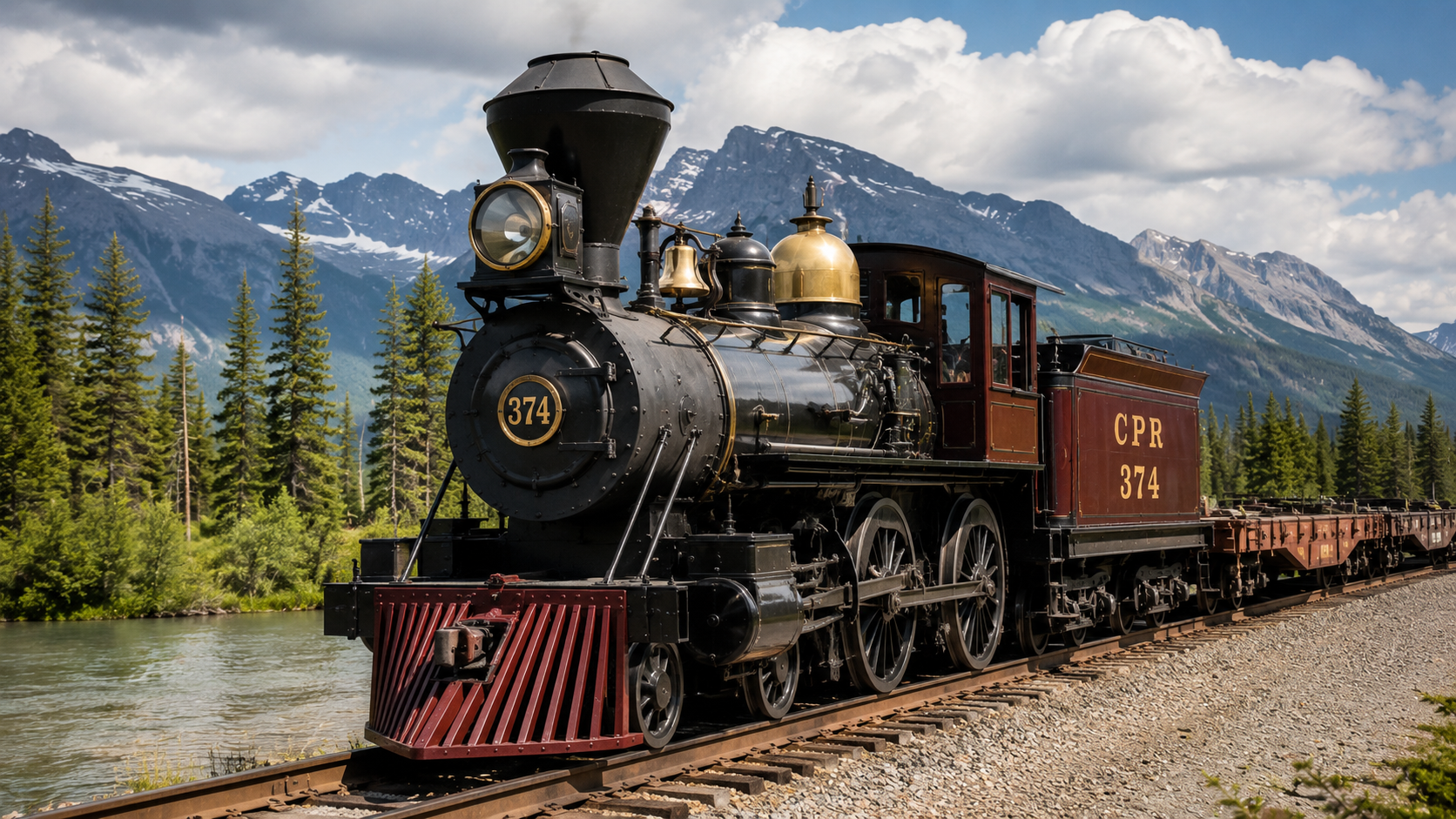
Introduction
If you’ve come across the phrase “horse of iron” while researching horse breeds, you’ve likely stumbled onto one of North America’s oldest and toughest equine stories. It’s not a myth or a marketing label. It’s a nickname earned over three centuries by a breed of horse that survived brutal winters, heavy farm labor, and near-total extinction, twice.
This guide explains where the term comes from, what breed it refers to, and why people still use it today when talking about one of the hardiest horses ever developed on this continent.
Direct Answer: What Does “Horse of Iron” Mean?
“Horse of iron,” also written as “little iron horse” or the French petit cheval de fer, is a historic nickname for the Canadian Horse, a heritage breed developed in Quebec starting in the 1660s from horses sent by King Louis XIV of France. The name reflects the breed’s exceptional toughness, endurance, and ability to survive harsh winters, scarce food, and demanding labor with minimal care.
Where the Nickname Came From
The story starts in 1665, when Louis XIV began shipping horses from his royal stables to the French colony of New France, in what is now Quebec. Historians believe most of these horses originated from Norman and Breton stock, with some possible Andalusian, Arabian, and Barb influence as well. Around 80 horses arrived in total over several shipments through 1670, intended as gifts for nobles, clergy, and settlers.
What happened next is what earned the breed its nickname. These horses were left largely on their own to adapt to a punishing new environment. Quebec winters were long and severe, feed was often scarce, and the horses were expected to work hard regardless of conditions. Over generations, natural selection reshaped the breed. The horses that survived and reproduced were smaller, stockier, and remarkably resilient, animals that could pull a sleigh for tens of miles through snow and come back ready to work again.
Local habitants, the French settlers who relied on these horses daily, began calling them le petit cheval de fer — the little horse of iron. The name stuck because it captured something specific: this wasn’t just a strong horse, it was a horse that seemed almost impossible to wear down.
What Kind of Horse Earns a Nickname Like This
To understand why “horse of iron” fit so well, it helps to know what the Canadian Horse actually looks like and how it behaves.
Physical Characteristics
Canadian Horses are compact and muscular, typically standing between 14 and 16 hands tall (about 56 to 64 inches at the shoulder) and weighing between 900 and 1,400 pounds depending on the individual and breeding line. They’re most commonly black or bay, though brown, chestnut, and occasionally cream or palomino coats appear. The breed is known for a thick, full mane and tail, a well-arched neck, and notably strong, hard hooves that often don’t require shoeing.
Temperament and Work Ethic
Beyond physical toughness, the breed became known for a calm, willing temperament combined with real intelligence. Canadian Horses are alert without being nervous, don’t spook easily, and were historically praised for multitasking, the same horse might plow a field in the morning, pull a family into town in the afternoon, and serve as a riding mount the next day.
Metabolism and Care
One of the more practical traits behind the “horse of iron” reputation is the breed’s status as an “easy keeper.” These horses can maintain their weight and condition on relatively modest forage, a trait that mattered enormously to settlers who couldn’t always guarantee abundant feed through a long winter. That said, this efficient metabolism means modern owners need to watch for obesity if the horse isn’t getting enough exercise.
Why the Breed Nearly Disappeared, Twice
Being tough and dependable turned out to be a double-edged trait for the Canadian Horse. Because the breed performed so well under hard conditions, it became highly sought after outside Quebec, and that demand nearly destroyed it.
The First Decline
By the mid-1800s, the population had grown to an estimated 150,000 horses across Canada and the northeastern United States. Canadian Horses were exported in large numbers for use as roadsters, stagecoach teams, and freight-pulling animals. Thousands were also purchased for cavalry and artillery use during the American Civil War, and many never returned. Their bloodlines contributed significantly to the development of other North American breeds, including the Morgan, the Standardbred, the American Saddlebred, and the Tennessee Walking Horse.
By 1880, so many horses had been exported or crossbred into other lines that the purebred Canadian Horse was on the edge of extinction. Quebec responded by banning further export of the breed in 1886, and a small group of dedicated breeders formed an association to establish breed standards and a studbook, stabilizing the population for a time.
The Second Decline
The recovery didn’t last. Mechanized farm equipment reduced the need for working horses through the early 1900s, and both World Wars disrupted breeding programs further. By the 1970s, fewer than 400 Canadian Horses remained, with fewer than five new registrations recorded some years. The breed was effectively unknown outside pockets of Quebec.
A renewed conservation effort, driven by breeders committed to preserving the horse’s original type and temperament, slowly rebuilt the population from that low point. Numbers climbed through the 1980s and 1990s, reaching an estimated population high of around 6,000 horses worldwide in the early 2000s.
Current Status and Recognition
Today, the Canadian Horse carries official national recognition. In April 2002, Canada’s federal government passed the National Horse of Canada Act, formally declaring the breed a national symbol. In 2010, Quebec’s provincial legislature separately recognized it as a heritage breed of the province.
Despite that recognition, the breed remains classified as at-risk by conservation organizations, with population estimates generally ranging from around 2,000 to a few thousand horses worldwide. Most Canadian Horses today are found in Quebec and other parts of eastern Canada, where some are still used by mounted police units, alongside a growing presence in recreational riding, driving, and light agricultural work across Canada and the United States.
How the Horse of Iron Is Used Today
The role of the Canadian Horse has shifted considerably since its working farm-horse origins, but its versatility hasn’t disappeared.
Riding disciplines: The breed’s compact, powerful build and Baroque-influenced conformation make it well suited to dressage, and the same surefootedness that served it well on rough terrain also makes it a capable jumper.
Driving: Combined driving and carriage work remain popular uses, drawing on the breed’s historical role pulling sleighs and wagons.
Trail and recreational riding: Its calm temperament and sturdy build make it a popular choice for family riding and trail work, including in mountainous or backcountry terrain.
Living history and demonstration: Some Canadian Horses work at historical sites, including Colonial Williamsburg in the United States, where they’re used to give visitors a direct sense of what the breed looked and moved like in earlier centuries.
Common Mistakes and Misconceptions
Assuming “Canadian Horse” just means any horse from Canada. It’s a specific, registered heritage breed with defined physical and temperament standards, not a general term for horses raised in the country.
Assuming the nickname is a modern marketing term. “Horse of iron” and “little iron horse” predate any contemporary branding effort by well over a century; they emerged organically from the people who worked alongside these horses.
Underestimating the breed’s size. Because of the nickname’s association with toughness, people sometimes picture a large draft horse. In reality, the Canadian Horse is on the smaller side for a full-sized breed, closer to pony height by historical standards, with its strength coming from a dense, muscular build rather than sheer size.
Assuming the breed is no longer at risk. National recognition in 2002 raised awareness, but it didn’t resolve the breed’s small population size. Conservation organizations still list it in an at-risk category.
Real-World Example: A Modern Owner’s Experience
Writer Lawrence Scanlan documented his own experience taking on a young, untrained Canadian Horse gelding later in life, describing the year he spent learning to work with an animal that had a strong mind of its own. His account, along with others from current owners, reflects a pattern that shows up repeatedly in modern descriptions of the breed: Canadian Horses tend to think independently rather than simply defer to a handler, which can be an adjustment for riders used to more compliant breeds, but is also part of what made them such capable, self-reliant workers historically.
Key Facts
- The nickname “horse of iron” comes from the French phrase le petit cheval de fer, used by Quebec settlers as early as the late 1600s and 1700s.
- The breed descends from horses sent by King Louis XIV of France to New France beginning in 1665.
- Canadian Horses typically stand 14 to 16 hands tall and weigh 900 to 1,400 pounds.
- The breed nearly went extinct twice: once by 1880 due to mass export, and again by the 1970s, when fewer than 400 horses remained.
- Canadian Horse bloodlines contributed to the development of the Morgan, Standardbred, American Saddlebred, and Tennessee Walking Horse breeds.
- The Canadian Horse became Canada’s official national horse under the National Horse of Canada Act in 2002.
- The breed remains classified as at-risk, with a worldwide population generally estimated in the low thousands.
Frequently Asked Questions
What breed is known as the “horse of iron”?
The Canadian Horse, a heritage breed developed in Quebec starting in the 1660s, is the breed historically known as the horse of iron or little iron horse.
Why is the Canadian Horse called a horse of iron?
The nickname reflects its ability to survive and work under extremely harsh conditions, including cold winters, scarce feed, and demanding labor, with minimal loss of condition or performance.
Is the Canadian Horse the same as any horse born in Canada?
No. It’s a specific registered breed with defined physical and temperament standards, distinct from other horse breeds that happen to be raised in Canada.
Is the Canadian Horse endangered?
It’s classified as at-risk by livestock conservation organizations. The population has recovered from a low of under 400 horses in the 1970s but remains small compared to more common breeds.
What is the Canadian Horse used for today?
Modern uses include dressage, jumping, combined driving, trail riding, light farm work, and historical demonstration programs, in addition to its long-standing role as a family and recreational horse.
How big is a Canadian Horse?
Adults typically stand 14 to 16 hands tall (about 56 to 64 inches at the withers) and weigh between 900 and 1,400 pounds, making them compact but sturdy compared to larger draft breeds.
Key Takeaways
- “Horse of iron” is a historic nickname for the Canadian Horse, earned through generations of surviving harsh Quebec winters and heavy labor.
- The breed traces back to horses sent by Louis XIV of France beginning in 1665.
- Its physical toughness, calm temperament, and efficient metabolism made it exceptionally well suited to demanding conditions.
- The breed nearly disappeared twice in its history but has since become Canada’s officially recognized national horse.
- Today it remains at-risk but continues to be used in riding, driving, and historical demonstration roles.
Conclusion
The nickname “horse of iron” isn’t an exaggeration invented for effect. It reflects centuries of real, documented resilience shown by a breed that adapted to some of the harshest conditions any domesticated horse has faced in North America. Understanding the history behind the Canadian Horse, from its royal French origins through two near-extinctions to its current status as a national symbol, explains why the name has endured for well over 300 years and why it’s still used to describe the breed today.
-

 Lifestyle3 weeks ago
Unblocked Games: What They Are, How They Work, and What to Watch For
-

 News3 weeks ago
Was Kash Patel Removed? What the Search Actually Means
-

 News2 weeks ago
Falconry News: What’s Happening in the World of Hawking Right Now
-

 Lifestyle3 weeks ago
Russia-Ukraine Ceasefire: What’s Been Agreed, What Hasn’t, and Where Talks Stand
-

 Lifestyle2 weeks ago
Gulf of Oman: Geography, Importance, and Everything You Need to Know
-

 News2 weeks ago
The Hubble Birthday Tradition: How NASA Celebrates the Space Telescope’s Anniversary Every Year
-

 Business1 week ago
What Is a Bee Buddy? A Complete Guide to Supporting Pollinators at Home
-

 Business3 weeks ago
Hiroshima Pronunciation: How to Say It Correctly in Japanese and English