
News
The Hubble Birthday Tradition: How NASA Celebrates the Space Telescope’s Anniversary Every Year


Every April, NASA does something that stops the internet in its tracks. They release a single photograph — one image chosen specifically to mark the Hubble Space Telescope’s anniversary — and millions of people pause whatever they’re doing just to look at it.
That’s a remarkable thing for a piece of machinery orbiting 340 miles above Earth. But the Hubble birthday tradition has become one of the most anticipated annual events in science, and for good reason. Each image tells a story far bigger than any telescope.
What Is the Hubble Birthday?
The Hubble birthday refers to the annual anniversary celebration of the Hubble Space Telescope’s launch, which took place on April 24, 1990. NASA and the Space Telescope Science Institute (STScI) mark each anniversary by releasing a specially selected astronomical image — something visually stunning that also carries scientific significance.
This tradition has been running for over three decades. It transforms what could be a dry institutional milestone into a public science event that connects everyday people with the far reaches of the universe.
Quick Answer
The Hubble birthday is NASA’s annual celebration of the Hubble Space Telescope’s launch date, April 24, 1990. Each year, NASA releases a specially chosen cosmic image to mark the occasion. These anniversary images have featured nebulae, galaxies, star clusters, and other deep-space objects, making the event one of the most widely shared moments in science communication.
The Origin of the Annual Tradition
When Hubble launched in April 1990, it was supposed to be a triumph. Instead, scientists quickly discovered a flaw in the primary mirror — a spherical aberration just 2.2 micrometers off from the correct shape. For a mirror 2.4 meters wide, that’s a tiny error. But in optics, tiny errors produce blurry images, and Hubble’s early photos were a public relations disaster.
NASA sent a servicing mission in December 1993 to install corrective optics. The fix worked beyond anyone’s expectations. When clear images finally came through, they were extraordinary.
By the time the telescope’s fifth anniversary arrived in 1995, there was something real to celebrate. That year, NASA released an image that became one of the most reproduced photographs in history: the Eagle Nebula’s Pillars of Creation. Three towering columns of gas and dust, backlit by young stars, looked almost architectural — like something built rather than born.
The response was overwhelming. The Hubble birthday anniversary image tradition had found its purpose.
How NASA Chooses the Anniversary Image
Not every beautiful Hubble photograph qualifies for anniversary release. The selection process balances several factors:
Visual impact is the most obvious consideration. Anniversary images need to stop people mid-scroll. Color, composition, and sheer scale all matter.
Scientific relevance matters just as much. The best anniversary images aren’t just pretty — they illustrate something meaningful about star formation, galactic structure, or cosmic evolution.
New observations are often prioritized. Many Hubble birthday releases feature recent data rather than archival images, giving scientists a reason to process and publish observations they might otherwise have sat on longer.
Public accessibility rounds out the criteria. The image needs to connect with people who don’t have astronomy backgrounds. A galaxy collision is inherently dramatic. A detailed spectroscopic chart, however scientifically valuable, doesn’t make the cut.
The Space Telescope Science Institute in Baltimore handles much of this process. Their communications team works with scientists months in advance to identify candidates.
Memorable Hubble Birthday Images Through the Years
Over 35 years, some anniversary releases have become cultural touchstones.
The Pillars of Creation (5th Anniversary, 1995)
This remains the most famous Hubble image ever taken. The Eagle Nebula, located about 6,500 light-years away in the constellation Serpens, contains towering pillars of hydrogen gas where new stars are actively forming. Hubble revisited this target for the 25th anniversary in 2015 with a wider, sharper version — and again revealed that a nearby supernova may have already destroyed the pillars, though the light from that destruction hasn’t reached us yet.
The Hubble Deep Field (6th Anniversary, 1996)
For ten consecutive days in late 1995, Hubble stared at a tiny, seemingly empty patch of sky near the Big Dipper. The result — released around the 6th anniversary — showed nearly 3,000 galaxies in a region of sky smaller than a grain of sand held at arm’s length. It permanently changed how astronomers think about the scale of the universe.
The Carina Nebula (22nd Anniversary, 2012)
A sweeping, dramatic landscape of star-forming gas and dust stretching across 50 light-years. The image showed jets of material being ejected from newborn stars, a process called Herbig-Haro activity. It looked like something out of a science fiction film — except it was entirely real.
The Bubble Nebula (26th Anniversary, 2016)
A seven-light-year-wide sphere of gas surrounding a massive star, blown outward by stellar winds. The Hubble birthday image that year was composed as a mosaic of four separate camera pointings to capture the full structure.
The Southern Crab Nebula (29th Anniversary, 2019)
An hourglass-shaped nebula formed by two stars in a binary system — one a red giant, one a white dwarf. The interacting pair creates an unusual symmetrical structure that looks almost too geometric to be natural.
Why the Hubble Birthday Matters Beyond Pretty Pictures
It would be easy to dismiss anniversary images as PR exercises. They’re not — or at least, they’re not only that.
Public funding depends on public support. Hubble costs roughly $100 million per year to operate. That funding comes from NASA’s budget, which is approved by Congress, which answers to voters. When millions of people share a Hubble birthday image, they’re reinforcing the case that space science is worth paying for.
Anniversary images drive real scientific interest. Many people who first encountered astronomy through a Hubble anniversary image later studied physics, pursued careers in STEM, or became engaged citizens around science policy. That downstream effect is hard to measure but genuinely real.
They document the telescope’s evolving capabilities. Comparing early anniversary images with recent ones shows the impact of successive servicing missions and instrument upgrades. Hubble’s final servicing mission in 2009 installed the Wide Field Camera 3 and the Cosmic Origins Spectrograph, both of which dramatically expanded what the telescope could observe.
Common Misconceptions About Hubble Birthday Images
“The colors are fake”
This is the most frequent complaint, and it misunderstands how astronomical imaging works. Hubble captures light across the electromagnetic spectrum, including wavelengths invisible to human eyes. Scientists assign visible colors to these wavelengths — hydrogen emission might become red, oxygen emission blue-green — to make the data interpretable. The colors represent real physical information; they’re not randomly chosen for aesthetic effect.
“Hubble takes these images on the day of the anniversary”
Most anniversary images use observations collected months or even years before the release date. The announcement date is chosen to coincide with the anniversary, but the data collection isn’t timed that way.
“These images show what the objects actually look like”
Hubble’s detectors are far more sensitive than human eyes, and they record wavelengths we can’t see at all. The final images are processed to reveal structures and features that would be invisible even to an astronaut floating nearby. They show real data presented in a human-interpretable form — which is different from showing the “true” appearance of something.
“Hubble is the only telescope that produces images like this”
The James Webb Space Telescope, which began science operations in 2022, produces images of comparable or greater resolution in infrared wavelengths. Ground-based telescopes with adaptive optics can also produce striking images. Hubble’s visual-wavelength observations remain unique, but it’s no longer the only game in town.
Key Facts About the Hubble Space Telescope
- Launched April 24, 1990, aboard Space Shuttle Discovery
- Orbits Earth at approximately 340 miles (547 kilometers) altitude
- Primary mirror diameter: 2.4 meters (7.9 feet)
- Has made over 1.5 million observations since launch
- Data from Hubble has contributed to more than 19,000 peer-reviewed scientific papers
- Five servicing missions were conducted between 1993 and 2009
- Still operational as of 2024, though in a reduced capacity after gyroscope issues
- The Hubble birthday is celebrated on or around April 24 each year
How to Find and View Hubble Birthday Images
NASA makes every anniversary image freely available to the public. The best sources:
The HubbleSite (hubblesite.org) maintains a full archive of anniversary releases going back to the earliest years. Images are available in multiple resolutions, including sizes suitable for large prints.
The NASA website (nasa.gov) publishes anniversary images with full press releases explaining the science behind each one.
The ESA/Hubble website (esahubble.org) covers the European Space Agency’s contributions to Hubble operations and often provides additional context on anniversary images.
All Hubble images released by NASA are in the public domain, meaning anyone can download, print, or share them without permission or licensing fees.
The Future of Hubble Birthday Celebrations
Hubble’s operational future is genuinely uncertain. In 2024, NASA announced that gyroscope issues had forced the telescope into a reduced observing mode, using only one gyroscope instead of three. This limits which parts of the sky Hubble can observe and how quickly it can maneuver between targets. But the telescope continues to collect scientific data.
The James Webb Space Telescope, launched in December 2021, has taken over many of Hubble’s deeper-universe observation roles. But the two telescopes are complementary rather than redundant — Webb sees primarily in infrared, Hubble in ultraviolet and visible light. Some science questions require both.
Whether Hubble continues operating for another five years or another fifteen, its birthday tradition has already created an extraordinary archive. Thirty-plus years of anniversary images form a timeline of how human understanding of the universe has grown — and how a single telescope changed what we thought was possible to know.
FAQ: Hubble Birthday
When is the Hubble birthday?
The Hubble Space Telescope was launched on April 24, 1990. NASA celebrates the Hubble birthday each year around that date with a special anniversary image release.
Who decides which image NASA releases for the Hubble birthday?
The Space Telescope Science Institute (STScI) in Baltimore coordinates the selection process in collaboration with NASA. Scientists, communications staff, and image processing specialists all contribute to the choice.
How long has NASA been releasing Hubble birthday images?
The tradition began in the mid-1990s, gaining significant momentum with the 5th anniversary Pillars of Creation release in 1995. It has continued annually ever since.
Are Hubble anniversary images free to use?
Yes. NASA images, including all Hubble birthday anniversary releases, are in the public domain. They can be downloaded, printed, and shared without licensing fees, though crediting NASA and STScI is standard practice.
Is Hubble still operating?
As of 2024, Hubble continues to operate in a reduced capacity due to gyroscope issues. It remains scientifically productive, though its observing schedule is more limited than in previous years.
What is the most famous Hubble birthday image?
The Pillars of Creation, released for Hubble’s 5th anniversary in 1995, is widely considered the most iconic. It has been reproduced in textbooks, posters, and media around the world.
Will the James Webb Space Telescope replace Hubble birthday celebrations?
Webb has its own image release tradition and produces stunning observations. However, Hubble’s anniversary celebration has a 30-year history and a distinct identity. Webb and Hubble serve different scientific roles and both continue to capture public attention.
Key Takeaways
- The Hubble birthday marks April 24, 1990 — the date the Space Telescope launched aboard Space Shuttle Discovery
- NASA releases a specially chosen cosmic image each year to celebrate the anniversary
- The tradition began gaining cultural momentum with the 1995 Pillars of Creation release
- Anniversary images are selected for both visual impact and scientific significance
- Colors in Hubble images represent real data, not aesthetic invention
- All Hubble birthday images are freely available in the public domain
- Hubble remains operational as of 2024, though in a reduced observing mode
- The anniversary tradition serves both public engagement and scientific communication goals
Three and a half decades is a long time for any machine to keep working, let alone one orbiting in the vacuum of space, exposed to temperature extremes and radiation. The Hubble birthday celebration has outlasted predictions, funding debates, and the launch of successor telescopes. Each April, the tradition reminds us that science isn’t just equations and grant proposals — sometimes it produces something genuinely beautiful, and sharing that beauty with the world is its own kind of contribution.
Direct Answer
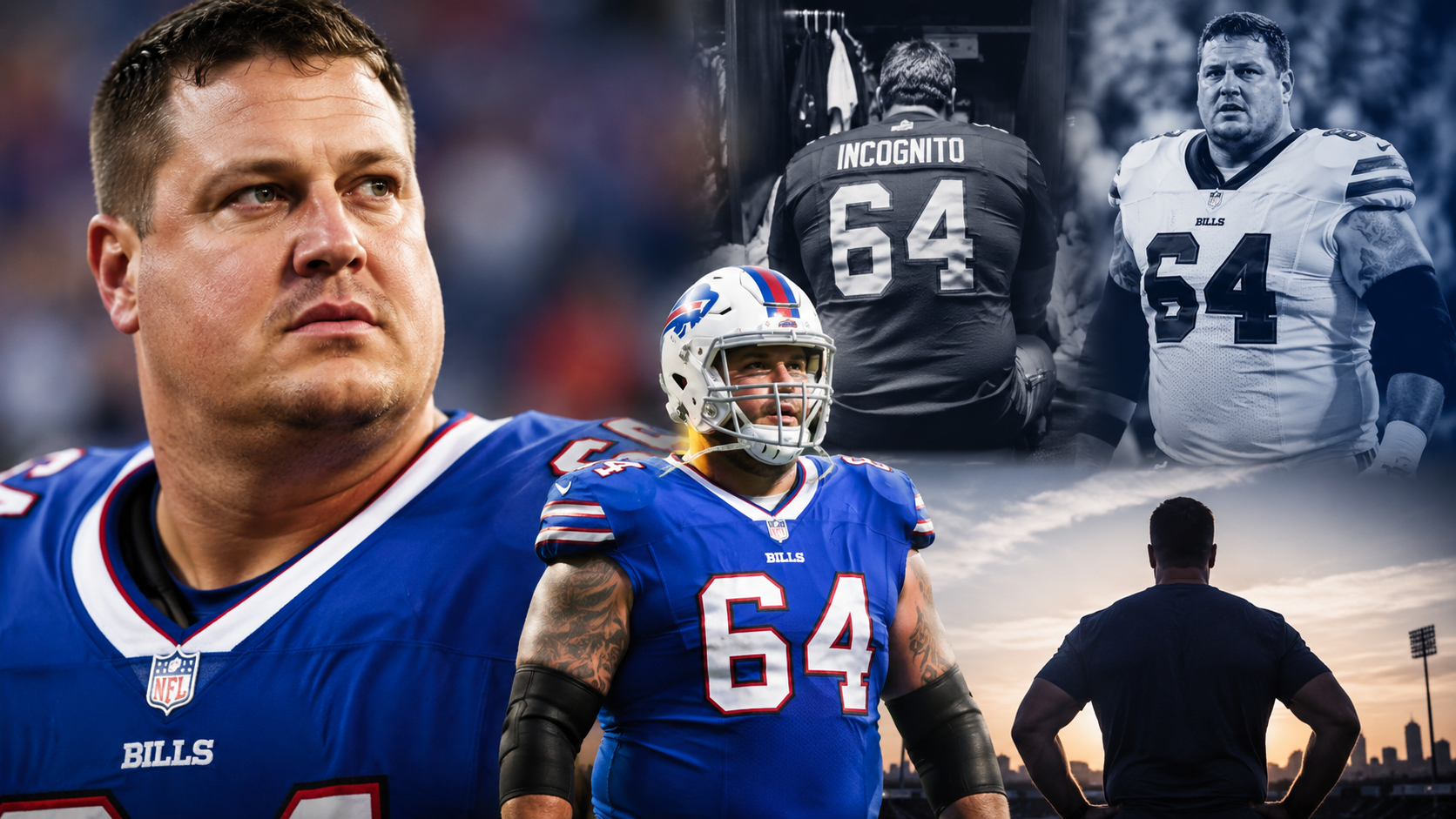
Richie Incognito played for the Buffalo Bills in two stints, most notably from 2015 to 2017, where he made three Pro Bowls and was widely regarded as one of the NFL’s best left guards. His time with the Bills is often remembered as a career comeback, coming after the 2013 Miami Dolphins bullying scandal that had put his future in football in serious doubt.
Who Richie Incognito Is
Richie Incognito is a former NFL offensive guard who played 14 seasons in the league between 2005 and 2021. He was drafted by the St. Louis Rams in the third round of the 2005 NFL Draft out of Nebraska and went on to play for the Rams, Buffalo Bills, Miami Dolphins, and Las Vegas Raiders over his career.
Across those years, Incognito earned four Pro Bowl selections, including one during his first stint with the Bills in 2009 and three more during his second stint from 2015 to 2017. He’s remembered both for his ability on the field and for a career marked by repeated controversy, most significantly the 2013 bullying scandal involving Miami Dolphins teammate Jonathan Martin.
Incognito’s First Stint With Buffalo
Before his more well-known run with the Bills later in his career, Incognito had a brief first stint with the team in 2009. He was claimed off waivers by Buffalo in December of that year after the Rams released him, and he started the final three games of the season at right guard. He helped block for a 212-yard rushing performance by Buffalo running back Fred Jackson before becoming a restricted free agent, at which point the Bills chose not to re-sign him.
Why the Miami Dolphins Bullying Scandal Matters to This Story
To understand why Incognito’s return to Buffalo mattered so much, it helps to know what happened between his two stints with the team. After leaving Buffalo, Incognito signed with the Miami Dolphins in 2010 and had a strong run there, making his first Pro Bowl following the 2012 season.
In 2013, Incognito became the center of a major NFL story after teammate Jonathan Martin left the team, and reports surfaced describing a pattern of harassment directed at Martin, including messages sent by Incognito. The NFL commissioned an investigation led by attorney Ted Wells, which produced a lengthy report in 2014 detailing the allegations. Incognito was suspended by the Dolphins and later released.
Incognito has disputed the “bullying” framing of the incident in later interviews, describing his relationship with Martin as a genuine friendship and saying the situation was more complicated than how it was widely reported at the time. Martin’s account and the findings in the Wells report described a different picture, one of persistent harassment. Both perspectives have been part of the public record since 2013 and 2014, and the full picture remains a matter of ongoing public discussion rather than a single agreed-upon narrative.
After the fallout, Incognito voluntarily checked himself into a treatment facility in Arizona and did not play at all during the 2014 season, a period when it was unclear whether any team would sign him again.
The Buffalo Bills Comeback
In February 2015, the Buffalo Bills signed Incognito as a free agent, a decision team owner Terry Pegula addressed directly, acknowledging Incognito’s past while saying the organization believed he was prepared to move forward. Then-head coach Rex Ryan was more blunt about it, saying he signed Incognito to help the team “build a bully” on the offensive line, a comment that drew its own share of criticism given the circumstances.
On the field, the comeback worked. Incognito started all 16 games in 2015, playing every offensive snap, and was ranked by Pro Football Focus as the top left guard in the league that season. He earned a Pro Bowl selection as a replacement following that year. In 2016, he signed a three-year contract extension with Buffalo worth $15.75 million and was named to the NFL’s Top 100 Players list by his peers. He made his third Pro Bowl after the 2016 season and his fourth after starting all 16 games again in 2017.
Teammates from that era, including former Bills center Eric Wood, described Incognito as a serious professional in the locker room and said he became a well-liked figure on the team, a notably different picture from the events in Miami years earlier.
Later Controversy and Departure From Buffalo
Incognito’s second stint with Buffalo wasn’t without incident. Following a 2017 playoff loss to the Jacksonville Jaguars, Jaguars defensive end Yannick Ngakoue accused Incognito of directing racial slurs at him during the game, an allegation that renewed scrutiny of Incognito’s on-field conduct.
In April 2018, Incognito told reporters he was retiring after 12 NFL seasons, citing health concerns. The Bills placed him on the reserve/retired list. He was later released from that list and remained a free agent for a period before signing with the Las Vegas Raiders in 2019, where he played three more seasons before retiring for good in 2022.
Common Misconceptions About Incognito’s Bills Career
Misconception: He only played for the Bills once. Incognito actually had two separate stints with Buffalo — a short run in 2009 and a much longer, more prominent one from 2015 to 2017.
Misconception: His Buffalo comeback erased the Miami scandal from his public record. It didn’t. His time with the Bills is often described as a career revival specifically because it came after the scandal, not because the scandal was forgotten. Both parts of the story are typically discussed together.
Misconception: He retired for good after leaving Buffalo in 2018. He said at the time he was retiring, but he came out of retirement in 2019 to sign with the Las Vegas Raiders, where he played through the 2021 season before retiring permanently.
Key Facts
- Richie Incognito played 14 NFL seasons (2005–2021) for the Rams, Bills, Dolphins, and Raiders.
- He had two stints with the Buffalo Bills: briefly in 2009, and more prominently from 2015 to 2017.
- He made three of his four career Pro Bowls during his second run with Buffalo.
- His return to the NFL with the Bills in 2015 came after the 2013 Miami Dolphins bullying scandal and a full season out of football in 2014.
- He signed a three-year, $15.75 million extension with Buffalo in 2016.
FAQ
Did Richie Incognito play for the Buffalo Bills?
Yes, in two stints — a brief run in 2009 and a longer, more notable stretch from 2015 to 2017, during which he made three Pro Bowls.
Why is Richie Incognito’s time with the Bills considered a comeback?
Because it came directly after the 2013 Miami Dolphins bullying scandal, which led to his suspension, release from the team, and a full season away from football in 2014.
What was the Miami Dolphins bullying scandal?
It centered on Incognito’s conduct toward teammate Jonathan Martin, which an NFL-commissioned investigation described as harassment. Incognito has since disputed that characterization, describing the relationship differently in later interviews.
How did Incognito’s career end?
He said he was retiring after leaving Buffalo in 2018, but signed with the Las Vegas Raiders in 2019 and played through the 2021 season before retiring for good in 2022.
Was Richie Incognito ever accused of misconduct during his time with Buffalo?
Yes. After a 2017 playoff loss, a Jacksonville Jaguars player publicly accused him of using racial slurs during the game, an allegation that drew renewed scrutiny.
Key Takeaways
- Richie Incognito had two stints with the Buffalo Bills, with his 2015–2017 run standing out as the most significant part of his career.
- His return to Buffalo followed the highly publicized 2013 Miami Dolphins bullying scandal, making his on-field success there widely viewed as a comeback story.
- He earned three Pro Bowl selections and a major contract extension during that stretch with the Bills.
- His time in Buffalo wasn’t free of controversy, including a 2017 allegation of using racial slurs during a playoff game.
- He briefly retired after leaving Buffalo in 2018 before returning to play for the Las Vegas Raiders.
Conclusion
Richie Incognito’s connection to the Buffalo Bills is really the story of two different chapters — a short, forgettable run in 2009, and a much bigger comeback years later that reestablished him as one of the better offensive linemen in the league. That comeback is inseparable from what came before it: the Miami Dolphins scandal that nearly ended his career. Looking at his Bills tenure without that context misses why it was considered such a notable turn in his career at the time.
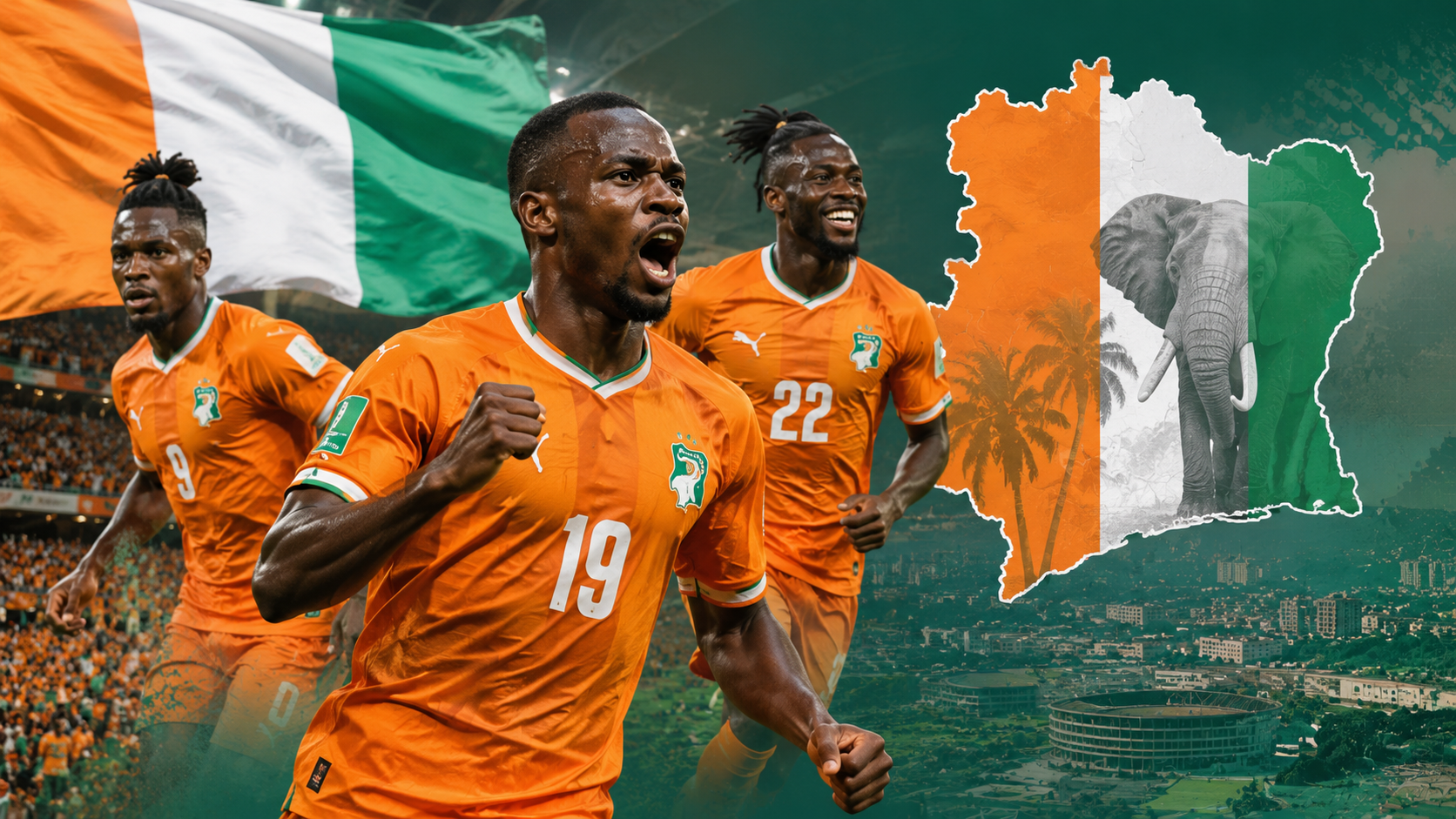
Few national teams in African football carry the mix of history, talent, and pure star power that Ivory Coast soccer has produced over the past two decades. Whether you’re catching up after a big tournament run or trying to understand why this small West African nation keeps producing world-class players, there’s a lot packed into the story of the Elephants.
Direct Answer
Ivory Coast soccer refers to the men’s national football team of Côte d’Ivoire, nicknamed the Elephants. The team has won the Africa Cup of Nations three times (1992, 2015, 2023) and has qualified for the FIFA World Cup four times, most recently in 2026. Managed by head coach Emerse Faé, the team is known for producing elite talent, including former captain Didier Drogba, the program’s all-time leading scorer.
A Quick Overview of Ivory Coast’s Football Program
The Ivory Coast national football team represents Côte d’Ivoire in men’s international competition and is run by the Ivorian Football Federation. The team plays its home matches at Stade Félix Houphouët-Boigny in Abidjan, a venue with a capacity of around 45,000. Their home kit color is orange, one of the more recognizable looks in African football.
Ivory Coast soccer has a reputation for two things: consistent success at the continental level, and an unusually high output of players who go on to star for major European clubs. That combination is a big part of why the team draws attention well beyond West Africa.
The History Behind the Elephants
Ivory Coast played its first official international match in 1960, a 3-2 win over Dahomey, now known as Benin. The team’s first Africa Cup of Nations title came in 1992, capped by an 11-10 penalty shootout win over Ghana, which at the time was the highest-scoring shootout in international football history.
The 2000s marked a turning point. Ivory Coast qualified for its first FIFA World Cup in 2006, then returned in 2010 and 2014, powered by a golden generation of players including Didier Drogba, Yaya Touré, and Kolo Touré. Despite that talent, deep World Cup runs proved elusive during that era, and the team didn’t make it out of the group stage in any of those three tournaments.
The Elephants’ second AFCON title came in 2015, followed by a third in 2023, when Ivory Coast hosted and won the tournament on home soil, a result that mattered enormously given the pressure of performing in front of a home crowd.
Ivory Coast at the 2026 World Cup
After missing the 2018 and 2022 World Cups, Ivory Coast soccer returned to the global stage at the 2026 FIFA World Cup in North America, ending a 12-year absence from the tournament. Head coach Emerse Faé led a notably young squad into the competition.
In the group stage, Ivory Coast opened with a 1-0 win over Ecuador, then lost 2-1 to Germany, before bouncing back with a 2-0 win over Curaçao. That record was enough to advance from the group as runners-up. Their run ended in the round of 32, where Norway beat them 2-1, with Erling Haaland scoring his fifth goal of the tournament in the process.
Coach Faé described the campaign as a learning experience for a young roster and said the program intends to build on the tournament rather than treat it as a setback. Given the age of the squad, many analysts see the run as a foundation for future tournaments rather than a peak.
Key Players to Know
Ivory Coast soccer has always been defined by its players as much as its results.
Didier Drogba
Drogba remains the program’s all-time leading scorer, with 65 goals in 105 appearances. He also served as team captain and became one of the most recognizable African players in the history of the sport during his club career with Chelsea.
Didier Zokora
Zokora holds the record for most caps in Ivory Coast history, with 123 appearances for the national team.
The 2026 Generation
The squad that competed at the 2026 World Cup included captain Franck Kessié in midfield, veteran defender Wilfried Singo, and a group of younger attacking players such as Amad Diallo, Yan Diomande, and Evann Guessand. Goalkeeping options included Yahia Fofana and Alban Lafont. This generation is generally seen as one of the youngest in the team’s World Cup history, which is part of why the federation and coaching staff have framed the tournament as a building block.
Why Ivory Coast Produces So Much Talent
A common question among newer fans is why a country of roughly 30 million people consistently produces players who succeed at major European clubs. A few factors are usually cited by analysts covering African football development:
- Youth academies with European ties. Several Ivorian academies have longstanding partnerships or scouting relationships with European clubs, which creates a pipeline for young talent to move abroad early.
- A strong domestic football culture. Football is the dominant sport in Ivory Coast, which means a large talent pool competes for national team spots from a young age.
- Diaspora connections. Many Ivorian players grow up or train in France and other European countries, giving them access to advanced coaching and competition earlier in their development.
Common Misconceptions About Ivory Coast Soccer
Assuming AFCON success translates directly to World Cup success. Ivory Coast has been consistently strong at the continental level but has historically struggled to advance deep into the World Cup, largely due to the difference in competition level and squad depth compared to traditional World Cup powers.
Confusing “Ivory Coast” and “Côte d’Ivoire” as different teams. They’re the same country and the same national team. FIFA officially recognizes the country as Côte d’Ivoire, while “Ivory Coast” remains the common English name used in most media coverage.
Thinking the team’s identity rests on one generation. While the Drogba-Touré era defined the 2000s and early 2010s, Ivory Coast soccer has continued to produce standout talent well beyond that generation, as shown by the current young core that reached the 2026 World Cup.
How Ivory Coast Fits Into African Football
Ivory Coast sits among the more decorated national teams in African football history, alongside programs like Egypt, Cameroon, and Ghana. Its three AFCON titles place it in a small group of countries with multiple continental championships. In FIFA’s world rankings, Ivory Coast has generally sat in the top 40 globally in recent years, reflecting a program that is competitive but not yet consistently among the very top tier of world football.
Real-World Example: The 2023 Home AFCON Run
The 2023 Africa Cup of Nations, hosted in Ivory Coast, offers a useful example of how quickly fortunes can shift in the sport. Ivory Coast fired its head coach during the group stage after a poor start, then rallied under a new coaching staff to win the tournament on home soil. That turnaround is often cited as one of the more dramatic examples of a host nation recovering from an early setback to win a major title, and it directly shaped the coaching staff and player confidence heading into the 2026 World Cup cycle.
Key Facts
- Ivory Coast’s official FIFA name is Côte d’Ivoire; the team is nicknamed the Elephants.
- The team has won three Africa Cup of Nations titles: 1992, 2015, and 2023.
- Ivory Coast has qualified for four FIFA World Cups: 2006, 2010, 2014, and 2026.
- Didier Drogba is the program’s all-time leading scorer with 65 goals.
- Didier Zokora holds the record for most caps, with 123.
- Emerse Faé has served as head coach through the 2026 World Cup cycle.
- Home matches are played at Stade Félix Houphouët-Boigny in Abidjan.
FAQ
What is Ivory Coast’s nickname in soccer?
The team is known as the Elephants, a reference to the country’s national symbol.
How many times has Ivory Coast won the Africa Cup of Nations?
Three times: 1992, 2015, and 2023.
Has Ivory Coast ever won a World Cup? No. Ivory Coast has qualified for four World Cups but has not advanced past the group stage in most of those appearances, with the 2026 tournament marking their first trip to the knockout stage before being eliminated by Norway.
Who is the greatest Ivory Coast soccer player of all time?
Didier Drogba is widely regarded as the country’s greatest player, based on his scoring record for the national team and his success at club level with Chelsea.
Who is the current coach of the Ivory Coast national team?
Emerse Faé, who took over the head coaching role during the 2023 Africa Cup of Nations and led the team through 2026 World Cup qualification and the tournament itself.
Why is Ivory Coast’s kit orange? Orange is one of the three colors of the Ivorian national flag, and the team has worn it as its primary home color for decades, making it one of the more recognizable kits in African football.
Key Takeaways
- Ivory Coast soccer is represented by the Elephants, the men’s national team of Côte d’Ivoire.
- The program has won three Africa Cup of Nations titles and qualified for four World Cups.
- Didier Drogba remains the all-time top scorer, while Didier Zokora holds the caps record.
- The 2026 World Cup run ended in the round of 32 against Norway, with a young squad that’s expected to grow into future tournaments.
- Ivory Coast is known for producing elite individual talent that succeeds at major European clubs.
Conclusion
Ivory Coast soccer represents one of the more consistent success stories in African football, built on continental titles, a deep talent pipeline, and a fan base that treats the national team as a genuine source of national pride. The Elephants’ return to the World Cup in 2026, led by a young squad under Emerse Faé, suggests the next chapter of the program’s story is still being written.
Introduction
Search for “Ted Danson blackface” and you’ll find a story that keeps resurfacing decades after it happened. It’s one of those moments people half-remember — they know Danson wore blackface at some point, they might know Whoopi Goldberg was involved, but the details tend to blur. That’s partly because the incident took place in 1993, before the internet made old controversies easy to revisit, and partly because the story itself is more complicated than a single headline can capture.
This article lays out what actually happened, who was involved, how people reacted at the time, and what’s been said about it since, including Danson’s own more recent comments on the subject.
Direct Answer: What Was the Ted Danson Blackface Incident?
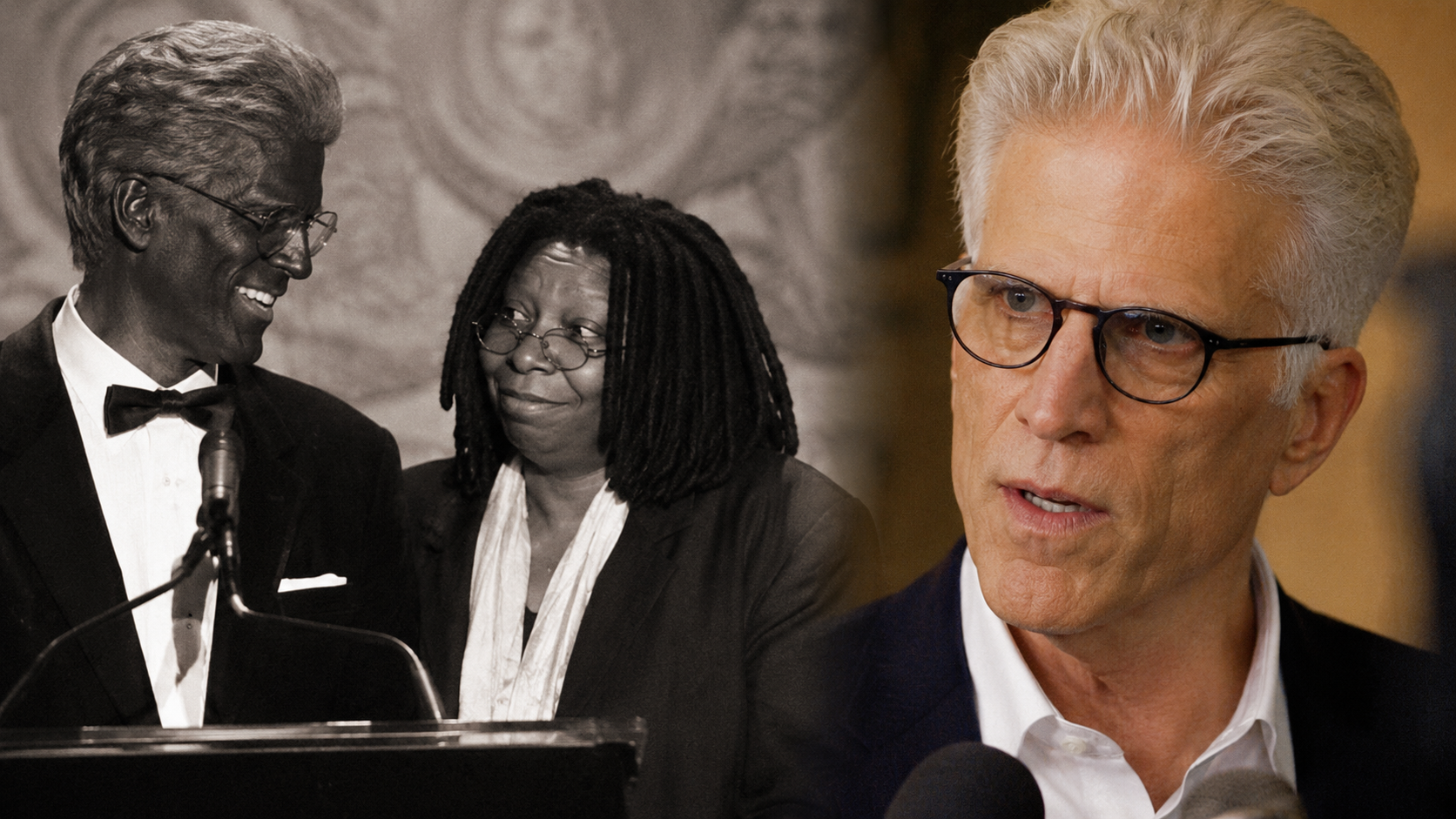
In October 1993, actor Ted Danson performed in blackface makeup at a New York Friars Club roast honoring his then-girlfriend, actress and comedian Whoopi Goldberg. His routine included racially charged jokes and slurs. The performance drew immediate backlash from attendees, including former New York City Mayor David Dinkins, and sparked a national debate about race and comedy. Goldberg publicly defended Danson at the time, saying she had helped write the material.
Background: Who Ted Danson Was in 1993
By 1993, Ted Danson was one of the most recognizable actors on American television, known for playing bartender Sam Malone on the long-running sitcom Cheers, which had ended its run earlier that year. He was also romantically involved with Whoopi Goldberg, an Oscar-winning actress and comedian, though the relationship was largely conducted out of public view since both were married to other people at various points during the affair.
The Friars Club, a private New York social club known for its celebrity roasts, invited Danson to serve as roastmaster for an event honoring Goldberg. Roasts at the club had a long-standing reputation for pushing past what would typically be considered acceptable in a more public setting, with humor built around insults, taboo subjects, and shock value.
What Happened at the Roast
Danson took the stage in dark makeup covering his face, with exaggerated white paint around his mouth, and delivered a set that included racial jokes, slurs, and material referencing his relationship with Goldberg. Several attendees were visibly uncomfortable during the performance. Talk show host Montel Williams walked out roughly seven minutes into the routine and formally resigned from the Friars Club afterward, later writing that the material had upset his wife, who is white, given jokes made about mixed-race relationships.
Goldberg’s reaction differed from much of the room. She later said she was not upset by the blackface or the racial content itself, but by the public backlash that followed, since she had contributed to writing much of the routine.
Why the Ted Danson Blackface Moment Became a National Story
The Ted Danson blackface controversy didn’t stay contained to the private Friars Club audience for long. News of the routine spread quickly, and the story became a flashpoint in a broader early-1990s debate about political correctness, free speech, and where the line sat between edgy comedy and racism.
Several public figures weighed in. David Dinkins, who was New York’s first Black mayor, said he was embarrassed by what he witnessed. Comedian and talk show host Bill Maher defended the routine publicly, arguing that a private roast was meant to go further than material intended for a general audience.
The Friars Club itself struggled to settle on a response. The club issued an apology the day after the roast to anyone who felt offended by the material, then reversed course days later and withdrew that apology, calling the reaction overblown.
Understanding Blackface: Why the Makeup Itself Was the Core Issue
To understand why this incident generated so much backlash, it helps to understand what blackface represents historically. Blackface makeup originated in 19th-century minstrel shows, where white performers darkened their skin to caricature Black people, typically through exaggerated, demeaning stereotypes involving speech, mannerisms, and appearance. These performances were popular entertainment for decades and played a significant role in reinforcing racist stereotypes in American culture.
By the time of the 1993 roast, blackface had long been recognized as offensive specifically because of that history, regardless of the performer’s individual intent. That’s the tension at the center of the Ted Danson blackface story: whether a private, consensual roast between two adults justified reviving imagery with that particular historical weight, and whether intent could offset impact.
How Whoopi Goldberg Responded
Goldberg’s public defense of Danson was a major part of the story and is often the piece people remember least accurately. She stated at the time that the routine was not designed as a statement about race relations but as an inside joke between the two of them, written partly by her, in response to hate mail the couple had received over their interracial relationship. She told reporters the goal was to be funny for themselves rather than to be politically correct, and that the backlash caused unfair harm to Danson.
Their relationship ended within about a month of the roast, though Goldberg continued to defend Danson publicly in the years that followed whenever the incident resurfaced.
What Ted Danson Has Said Since
For years, Danson rarely addressed the roast directly. He touched on it briefly during a 2009 interview, describing it as a low point in his life. He revisited the subject at much greater length decades later during an appearance on comedian W. Kamau Bell’s podcast, offering his most detailed public reflection on the incident to date.
In that conversation, Danson explained his original reasoning: he believed that performing in blackface would give him license to say things about race that he otherwise couldn’t, framing it to himself as a kind of satire on mixed-race relationships. He said he recognized almost immediately that the decision had backfired. He described the choice as arrogant, acknowledging that he had assumed his intentions mattered more than the impact of what he did. Danson also said the Friars Club had threatened legal action over ticket sales when he tried to back out of the event shortly before it took place.
He’s since said he plans to keep apologizing for the incident, recognizing that new generations encountering the footage or the story for the first time may respond to it without the context of how the moment played out at the time.
Common Mistakes People Make About This Story
Assuming Danson organized the roast alone. Goldberg co-wrote much of the material herself, which complicates a simple narrative of one person acting in isolation.
Treating the backlash as unanimous. Reaction was mixed at the time. Some attendees and commentators, including Goldberg and Maher, defended the routine as within the bounds of a private roast, while others were deeply offended.
Forgetting the personal relationship context. The routine was tied to a real relationship under public strain, including jokes referencing hate mail the couple had received, not an isolated comedy bit performed in a vacuum.
Assuming Danson has never addressed it. He has spoken about the incident more than once, including a detailed, self-critical account decades after it happened, rather than staying silent about it entirely.
Key Facts
- The roast took place in October 1993 at the New York Friars Club.
- Danson wore dark makeup with exaggerated white paint around his mouth and performed racially charged material.
- Montel Williams walked out during the performance and resigned from the Friars Club afterward.
- Former Mayor David Dinkins was among those who publicly criticized the routine.
- Whoopi Goldberg said she helped write much of the material and defended Danson at the time.
- The Friars Club issued, then withdrew, a public apology in the days following the event.
- Danson and Goldberg’s relationship ended within about a month of the roast.
- Danson has since called the decision arrogant and said intent doesn’t erase impact.
Frequently Asked Questions
What did Ted Danson actually do at the roast?
He performed in blackface makeup with exaggerated white paint around his mouth and delivered a set of racially charged jokes and slurs at a private Friars Club event honoring Whoopi Goldberg.
Did Whoopi Goldberg defend Ted Danson?
Yes. She said she helped write much of the material and that the routine wasn’t meant as a political statement, but as private, inside humor between the two of them.
Who walked out of the roast?
Talk show host Montel Williams left partway through the performance and later resigned from the Friars Club in protest.
Has Ted Danson apologized for the blackface incident?
Yes, more than once. He addressed it briefly in a 2009 interview and gave a much more detailed apology and explanation decades later on a podcast, saying he now understands that intent doesn’t excuse impact.
Why was the Ted Danson blackface incident considered a bigger deal than a typical roast joke?
Because blackface carries a specific historical connection to racist minstrel performances, so critics argued that the format of a private roast didn’t neutralize the harm of reviving that imagery.
Is footage of the roast widely available?
Only limited audio and secondhand accounts from the event have circulated publicly, since it was a private club event rather than a broadcast performance.
Key Takeaways
- The Ted Danson blackface incident happened at a private 1993 Friars Club roast honoring Whoopi Goldberg, who was his girlfriend at the time.
- Reaction to the performance was mixed, with some attendees walking out in protest and others, including Goldberg, defending it.
- The Friars Club’s own response wavered, issuing and then withdrawing an apology within days.
- Danson has publicly reflected on the incident multiple times, most extensively in recent years, calling his reasoning at the time arrogant and misguided.
- The controversy is often cited as an early example of a debate that would become far more common in later decades: whether intent can justify content with a painful historical legacy.
Conclusion
The Ted Danson blackface incident remains a useful case study precisely because it doesn’t fit a simple narrative. It involved a real relationship, contested intentions, immediate backlash, public defense from the person the routine was meant to honor, and years of delayed reflection from the person who performed it. Understanding what actually happened, rather than the shorthand version that’s circulated for decades, gives a clearer picture of both the moment itself and why it continues to come up in conversations about race, comedy, and accountability.
-

 Lifestyle3 weeks ago
Unblocked Games: What They Are, How They Work, and What to Watch For
-
 News3 weeks ago
Was Kash Patel Removed? What the Search Actually Means
-
 News3 weeks ago
Falconry News: What’s Happening in the World of Hawking Right Now
-

 Lifestyle3 weeks ago
Russia-Ukraine Ceasefire: What’s Been Agreed, What Hasn’t, and Where Talks Stand
-

 Lifestyle3 weeks ago
Gulf of Oman: Geography, Importance, and Everything You Need to Know
-

 Technology2 weeks ago
How to Say Dad in Korean: Every Word, Form, and Context You Need
-

 Health2 weeks ago
JD Vance Trump Health: What the Public Record Actually Shows
-

 Business2 weeks ago
What Is a Bee Buddy? A Complete Guide to Supporting Pollinators at Home