
News
Ted Danson Blackface Incident: What Actually Happened at the 1993 Friars Club Roast

Introduction
Search for “Ted Danson blackface” and you’ll find a story that keeps resurfacing decades after it happened. It’s one of those moments people half-remember — they know Danson wore blackface at some point, they might know Whoopi Goldberg was involved, but the details tend to blur. That’s partly because the incident took place in 1993, before the internet made old controversies easy to revisit, and partly because the story itself is more complicated than a single headline can capture.
This article lays out what actually happened, who was involved, how people reacted at the time, and what’s been said about it since, including Danson’s own more recent comments on the subject.
Direct Answer: What Was the Ted Danson Blackface Incident?
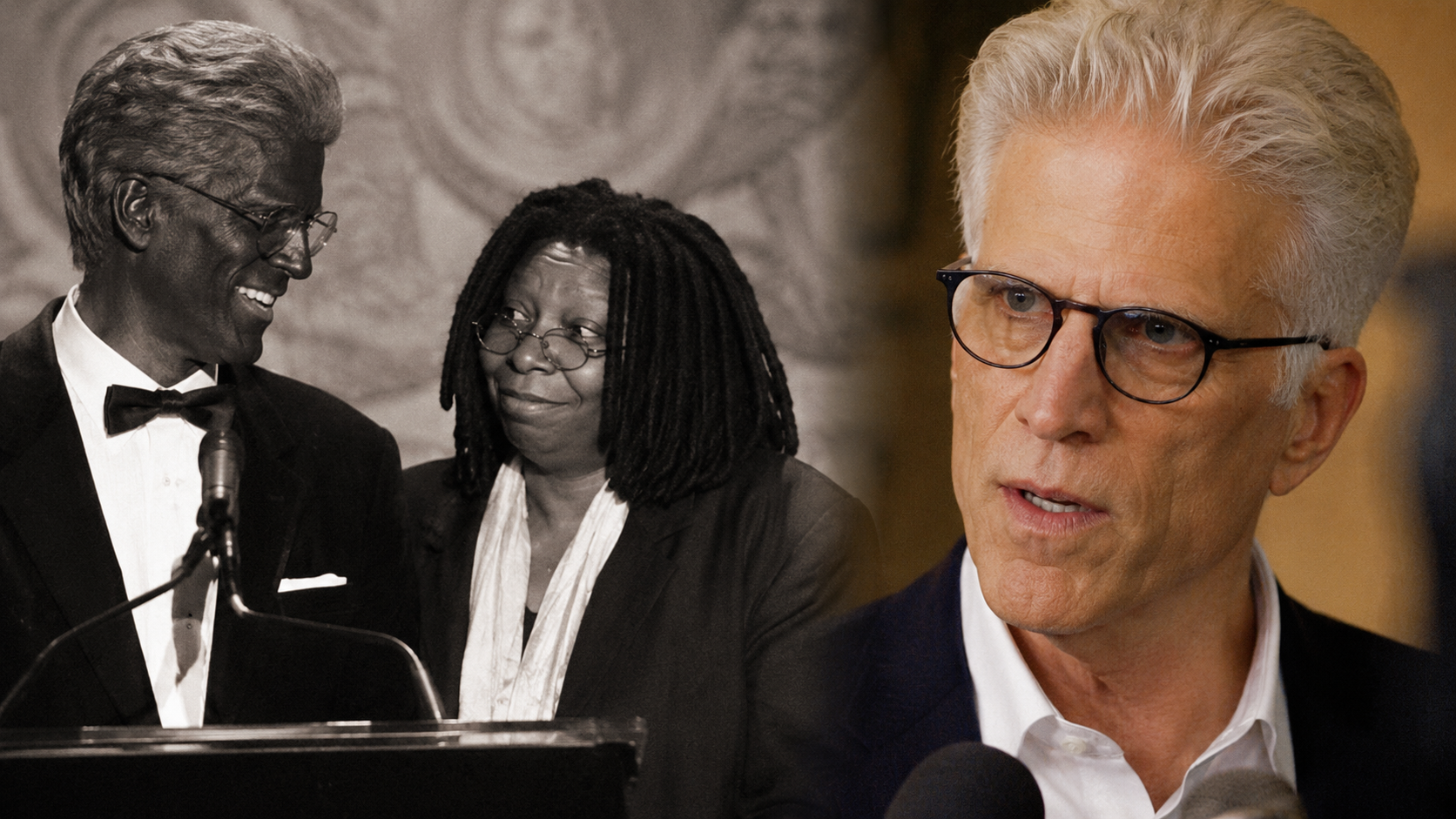
In October 1993, actor Ted Danson performed in blackface makeup at a New York Friars Club roast honoring his then-girlfriend, actress and comedian Whoopi Goldberg. His routine included racially charged jokes and slurs. The performance drew immediate backlash from attendees, including former New York City Mayor David Dinkins, and sparked a national debate about race and comedy. Goldberg publicly defended Danson at the time, saying she had helped write the material.
Background: Who Ted Danson Was in 1993
By 1993, Ted Danson was one of the most recognizable actors on American television, known for playing bartender Sam Malone on the long-running sitcom Cheers, which had ended its run earlier that year. He was also romantically involved with Whoopi Goldberg, an Oscar-winning actress and comedian, though the relationship was largely conducted out of public view since both were married to other people at various points during the affair.
The Friars Club, a private New York social club known for its celebrity roasts, invited Danson to serve as roastmaster for an event honoring Goldberg. Roasts at the club had a long-standing reputation for pushing past what would typically be considered acceptable in a more public setting, with humor built around insults, taboo subjects, and shock value.
What Happened at the Roast
Danson took the stage in dark makeup covering his face, with exaggerated white paint around his mouth, and delivered a set that included racial jokes, slurs, and material referencing his relationship with Goldberg. Several attendees were visibly uncomfortable during the performance. Talk show host Montel Williams walked out roughly seven minutes into the routine and formally resigned from the Friars Club afterward, later writing that the material had upset his wife, who is white, given jokes made about mixed-race relationships.
Goldberg’s reaction differed from much of the room. She later said she was not upset by the blackface or the racial content itself, but by the public backlash that followed, since she had contributed to writing much of the routine.
Why the Ted Danson Blackface Moment Became a National Story
The Ted Danson blackface controversy didn’t stay contained to the private Friars Club audience for long. News of the routine spread quickly, and the story became a flashpoint in a broader early-1990s debate about political correctness, free speech, and where the line sat between edgy comedy and racism.
Several public figures weighed in. David Dinkins, who was New York’s first Black mayor, said he was embarrassed by what he witnessed. Comedian and talk show host Bill Maher defended the routine publicly, arguing that a private roast was meant to go further than material intended for a general audience.
The Friars Club itself struggled to settle on a response. The club issued an apology the day after the roast to anyone who felt offended by the material, then reversed course days later and withdrew that apology, calling the reaction overblown.
Understanding Blackface: Why the Makeup Itself Was the Core Issue
To understand why this incident generated so much backlash, it helps to understand what blackface represents historically. Blackface makeup originated in 19th-century minstrel shows, where white performers darkened their skin to caricature Black people, typically through exaggerated, demeaning stereotypes involving speech, mannerisms, and appearance. These performances were popular entertainment for decades and played a significant role in reinforcing racist stereotypes in American culture.
By the time of the 1993 roast, blackface had long been recognized as offensive specifically because of that history, regardless of the performer’s individual intent. That’s the tension at the center of the Ted Danson blackface story: whether a private, consensual roast between two adults justified reviving imagery with that particular historical weight, and whether intent could offset impact.
How Whoopi Goldberg Responded
Goldberg’s public defense of Danson was a major part of the story and is often the piece people remember least accurately. She stated at the time that the routine was not designed as a statement about race relations but as an inside joke between the two of them, written partly by her, in response to hate mail the couple had received over their interracial relationship. She told reporters the goal was to be funny for themselves rather than to be politically correct, and that the backlash caused unfair harm to Danson.
Their relationship ended within about a month of the roast, though Goldberg continued to defend Danson publicly in the years that followed whenever the incident resurfaced.
What Ted Danson Has Said Since
For years, Danson rarely addressed the roast directly. He touched on it briefly during a 2009 interview, describing it as a low point in his life. He revisited the subject at much greater length decades later during an appearance on comedian W. Kamau Bell’s podcast, offering his most detailed public reflection on the incident to date.
In that conversation, Danson explained his original reasoning: he believed that performing in blackface would give him license to say things about race that he otherwise couldn’t, framing it to himself as a kind of satire on mixed-race relationships. He said he recognized almost immediately that the decision had backfired. He described the choice as arrogant, acknowledging that he had assumed his intentions mattered more than the impact of what he did. Danson also said the Friars Club had threatened legal action over ticket sales when he tried to back out of the event shortly before it took place.
He’s since said he plans to keep apologizing for the incident, recognizing that new generations encountering the footage or the story for the first time may respond to it without the context of how the moment played out at the time.
Common Mistakes People Make About This Story
Assuming Danson organized the roast alone. Goldberg co-wrote much of the material herself, which complicates a simple narrative of one person acting in isolation.
Treating the backlash as unanimous. Reaction was mixed at the time. Some attendees and commentators, including Goldberg and Maher, defended the routine as within the bounds of a private roast, while others were deeply offended.
Forgetting the personal relationship context. The routine was tied to a real relationship under public strain, including jokes referencing hate mail the couple had received, not an isolated comedy bit performed in a vacuum.
Assuming Danson has never addressed it. He has spoken about the incident more than once, including a detailed, self-critical account decades after it happened, rather than staying silent about it entirely.
Key Facts
- The roast took place in October 1993 at the New York Friars Club.
- Danson wore dark makeup with exaggerated white paint around his mouth and performed racially charged material.
- Montel Williams walked out during the performance and resigned from the Friars Club afterward.
- Former Mayor David Dinkins was among those who publicly criticized the routine.
- Whoopi Goldberg said she helped write much of the material and defended Danson at the time.
- The Friars Club issued, then withdrew, a public apology in the days following the event.
- Danson and Goldberg’s relationship ended within about a month of the roast.
- Danson has since called the decision arrogant and said intent doesn’t erase impact.
Frequently Asked Questions
What did Ted Danson actually do at the roast?
He performed in blackface makeup with exaggerated white paint around his mouth and delivered a set of racially charged jokes and slurs at a private Friars Club event honoring Whoopi Goldberg.
Did Whoopi Goldberg defend Ted Danson?
Yes. She said she helped write much of the material and that the routine wasn’t meant as a political statement, but as private, inside humor between the two of them.
Who walked out of the roast?
Talk show host Montel Williams left partway through the performance and later resigned from the Friars Club in protest.
Has Ted Danson apologized for the blackface incident?
Yes, more than once. He addressed it briefly in a 2009 interview and gave a much more detailed apology and explanation decades later on a podcast, saying he now understands that intent doesn’t excuse impact.
Why was the Ted Danson blackface incident considered a bigger deal than a typical roast joke?
Because blackface carries a specific historical connection to racist minstrel performances, so critics argued that the format of a private roast didn’t neutralize the harm of reviving that imagery.
Is footage of the roast widely available?
Only limited audio and secondhand accounts from the event have circulated publicly, since it was a private club event rather than a broadcast performance.
Key Takeaways
- The Ted Danson blackface incident happened at a private 1993 Friars Club roast honoring Whoopi Goldberg, who was his girlfriend at the time.
- Reaction to the performance was mixed, with some attendees walking out in protest and others, including Goldberg, defending it.
- The Friars Club’s own response wavered, issuing and then withdrawing an apology within days.
- Danson has publicly reflected on the incident multiple times, most extensively in recent years, calling his reasoning at the time arrogant and misguided.
- The controversy is often cited as an early example of a debate that would become far more common in later decades: whether intent can justify content with a painful historical legacy.
Conclusion
The Ted Danson blackface incident remains a useful case study precisely because it doesn’t fit a simple narrative. It involved a real relationship, contested intentions, immediate backlash, public defense from the person the routine was meant to honor, and years of delayed reflection from the person who performed it. Understanding what actually happened, rather than the shorthand version that’s circulated for decades, gives a clearer picture of both the moment itself and why it continues to come up in conversations about race, comedy, and accountability.
Direct Answer
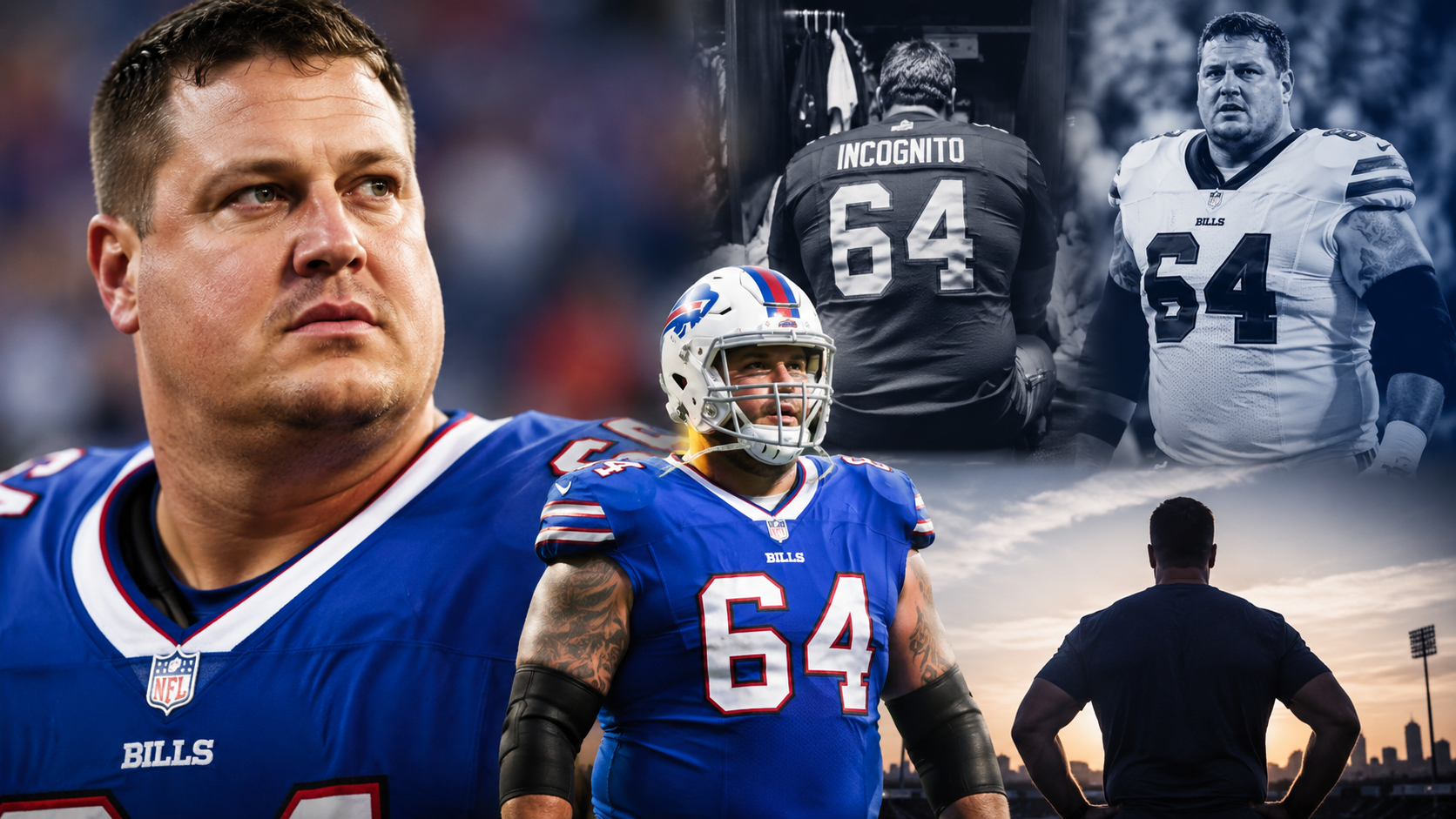
Richie Incognito played for the Buffalo Bills in two stints, most notably from 2015 to 2017, where he made three Pro Bowls and was widely regarded as one of the NFL’s best left guards. His time with the Bills is often remembered as a career comeback, coming after the 2013 Miami Dolphins bullying scandal that had put his future in football in serious doubt.
Who Richie Incognito Is
Richie Incognito is a former NFL offensive guard who played 14 seasons in the league between 2005 and 2021. He was drafted by the St. Louis Rams in the third round of the 2005 NFL Draft out of Nebraska and went on to play for the Rams, Buffalo Bills, Miami Dolphins, and Las Vegas Raiders over his career.
Across those years, Incognito earned four Pro Bowl selections, including one during his first stint with the Bills in 2009 and three more during his second stint from 2015 to 2017. He’s remembered both for his ability on the field and for a career marked by repeated controversy, most significantly the 2013 bullying scandal involving Miami Dolphins teammate Jonathan Martin.
Incognito’s First Stint With Buffalo
Before his more well-known run with the Bills later in his career, Incognito had a brief first stint with the team in 2009. He was claimed off waivers by Buffalo in December of that year after the Rams released him, and he started the final three games of the season at right guard. He helped block for a 212-yard rushing performance by Buffalo running back Fred Jackson before becoming a restricted free agent, at which point the Bills chose not to re-sign him.
Why the Miami Dolphins Bullying Scandal Matters to This Story
To understand why Incognito’s return to Buffalo mattered so much, it helps to know what happened between his two stints with the team. After leaving Buffalo, Incognito signed with the Miami Dolphins in 2010 and had a strong run there, making his first Pro Bowl following the 2012 season.
In 2013, Incognito became the center of a major NFL story after teammate Jonathan Martin left the team, and reports surfaced describing a pattern of harassment directed at Martin, including messages sent by Incognito. The NFL commissioned an investigation led by attorney Ted Wells, which produced a lengthy report in 2014 detailing the allegations. Incognito was suspended by the Dolphins and later released.
Incognito has disputed the “bullying” framing of the incident in later interviews, describing his relationship with Martin as a genuine friendship and saying the situation was more complicated than how it was widely reported at the time. Martin’s account and the findings in the Wells report described a different picture, one of persistent harassment. Both perspectives have been part of the public record since 2013 and 2014, and the full picture remains a matter of ongoing public discussion rather than a single agreed-upon narrative.
After the fallout, Incognito voluntarily checked himself into a treatment facility in Arizona and did not play at all during the 2014 season, a period when it was unclear whether any team would sign him again.
The Buffalo Bills Comeback
In February 2015, the Buffalo Bills signed Incognito as a free agent, a decision team owner Terry Pegula addressed directly, acknowledging Incognito’s past while saying the organization believed he was prepared to move forward. Then-head coach Rex Ryan was more blunt about it, saying he signed Incognito to help the team “build a bully” on the offensive line, a comment that drew its own share of criticism given the circumstances.
On the field, the comeback worked. Incognito started all 16 games in 2015, playing every offensive snap, and was ranked by Pro Football Focus as the top left guard in the league that season. He earned a Pro Bowl selection as a replacement following that year. In 2016, he signed a three-year contract extension with Buffalo worth $15.75 million and was named to the NFL’s Top 100 Players list by his peers. He made his third Pro Bowl after the 2016 season and his fourth after starting all 16 games again in 2017.
Teammates from that era, including former Bills center Eric Wood, described Incognito as a serious professional in the locker room and said he became a well-liked figure on the team, a notably different picture from the events in Miami years earlier.
Later Controversy and Departure From Buffalo
Incognito’s second stint with Buffalo wasn’t without incident. Following a 2017 playoff loss to the Jacksonville Jaguars, Jaguars defensive end Yannick Ngakoue accused Incognito of directing racial slurs at him during the game, an allegation that renewed scrutiny of Incognito’s on-field conduct.
In April 2018, Incognito told reporters he was retiring after 12 NFL seasons, citing health concerns. The Bills placed him on the reserve/retired list. He was later released from that list and remained a free agent for a period before signing with the Las Vegas Raiders in 2019, where he played three more seasons before retiring for good in 2022.
Common Misconceptions About Incognito’s Bills Career
Misconception: He only played for the Bills once. Incognito actually had two separate stints with Buffalo — a short run in 2009 and a much longer, more prominent one from 2015 to 2017.
Misconception: His Buffalo comeback erased the Miami scandal from his public record. It didn’t. His time with the Bills is often described as a career revival specifically because it came after the scandal, not because the scandal was forgotten. Both parts of the story are typically discussed together.
Misconception: He retired for good after leaving Buffalo in 2018. He said at the time he was retiring, but he came out of retirement in 2019 to sign with the Las Vegas Raiders, where he played through the 2021 season before retiring permanently.
Key Facts
- Richie Incognito played 14 NFL seasons (2005–2021) for the Rams, Bills, Dolphins, and Raiders.
- He had two stints with the Buffalo Bills: briefly in 2009, and more prominently from 2015 to 2017.
- He made three of his four career Pro Bowls during his second run with Buffalo.
- His return to the NFL with the Bills in 2015 came after the 2013 Miami Dolphins bullying scandal and a full season out of football in 2014.
- He signed a three-year, $15.75 million extension with Buffalo in 2016.
FAQ
Did Richie Incognito play for the Buffalo Bills?
Yes, in two stints — a brief run in 2009 and a longer, more notable stretch from 2015 to 2017, during which he made three Pro Bowls.
Why is Richie Incognito’s time with the Bills considered a comeback?
Because it came directly after the 2013 Miami Dolphins bullying scandal, which led to his suspension, release from the team, and a full season away from football in 2014.
What was the Miami Dolphins bullying scandal?
It centered on Incognito’s conduct toward teammate Jonathan Martin, which an NFL-commissioned investigation described as harassment. Incognito has since disputed that characterization, describing the relationship differently in later interviews.
How did Incognito’s career end?
He said he was retiring after leaving Buffalo in 2018, but signed with the Las Vegas Raiders in 2019 and played through the 2021 season before retiring for good in 2022.
Was Richie Incognito ever accused of misconduct during his time with Buffalo?
Yes. After a 2017 playoff loss, a Jacksonville Jaguars player publicly accused him of using racial slurs during the game, an allegation that drew renewed scrutiny.
Key Takeaways
- Richie Incognito had two stints with the Buffalo Bills, with his 2015–2017 run standing out as the most significant part of his career.
- His return to Buffalo followed the highly publicized 2013 Miami Dolphins bullying scandal, making his on-field success there widely viewed as a comeback story.
- He earned three Pro Bowl selections and a major contract extension during that stretch with the Bills.
- His time in Buffalo wasn’t free of controversy, including a 2017 allegation of using racial slurs during a playoff game.
- He briefly retired after leaving Buffalo in 2018 before returning to play for the Las Vegas Raiders.
Conclusion
Richie Incognito’s connection to the Buffalo Bills is really the story of two different chapters — a short, forgettable run in 2009, and a much bigger comeback years later that reestablished him as one of the better offensive linemen in the league. That comeback is inseparable from what came before it: the Miami Dolphins scandal that nearly ended his career. Looking at his Bills tenure without that context misses why it was considered such a notable turn in his career at the time.
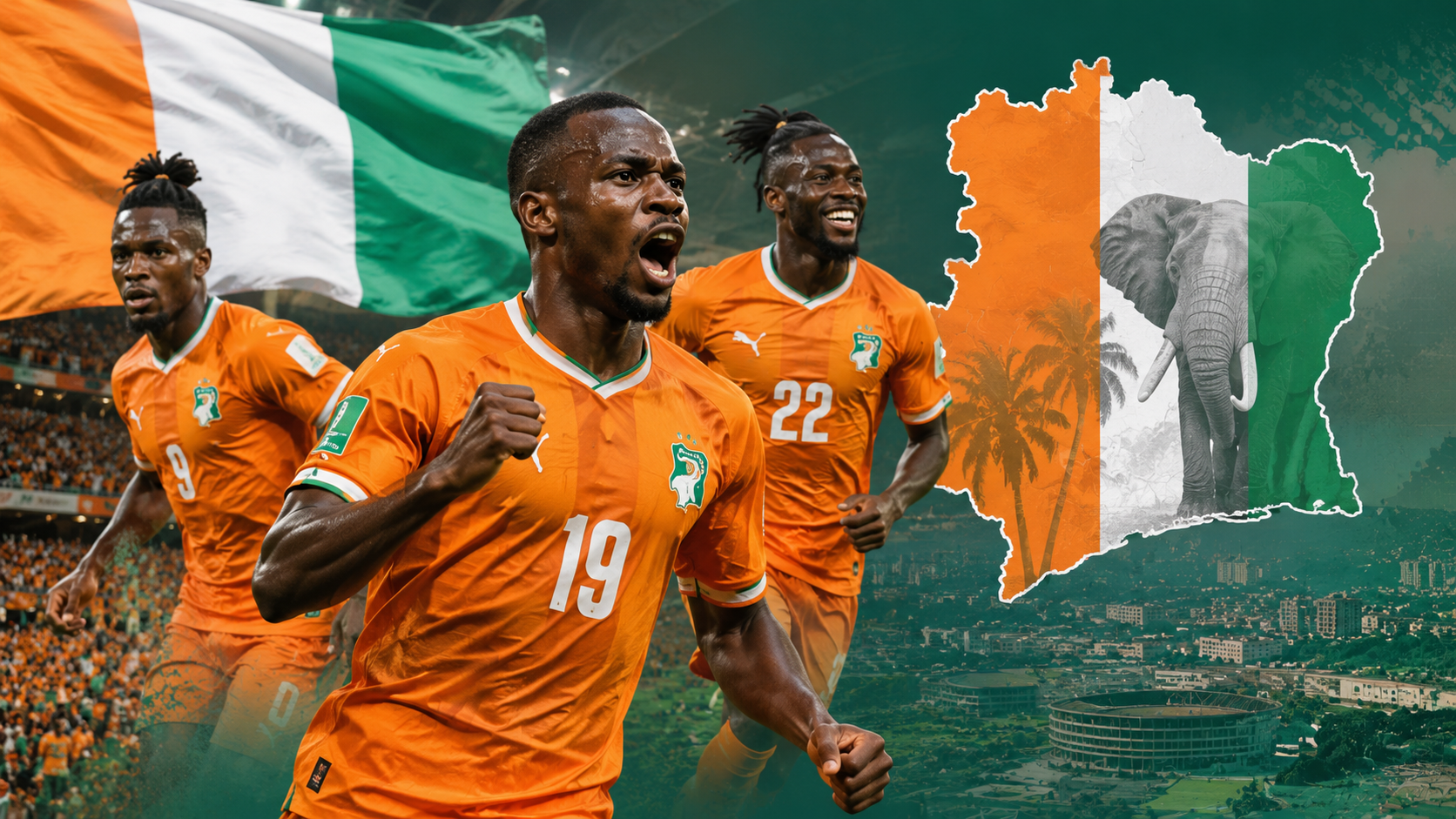
Few national teams in African football carry the mix of history, talent, and pure star power that Ivory Coast soccer has produced over the past two decades. Whether you’re catching up after a big tournament run or trying to understand why this small West African nation keeps producing world-class players, there’s a lot packed into the story of the Elephants.
Direct Answer
Ivory Coast soccer refers to the men’s national football team of Côte d’Ivoire, nicknamed the Elephants. The team has won the Africa Cup of Nations three times (1992, 2015, 2023) and has qualified for the FIFA World Cup four times, most recently in 2026. Managed by head coach Emerse Faé, the team is known for producing elite talent, including former captain Didier Drogba, the program’s all-time leading scorer.
A Quick Overview of Ivory Coast’s Football Program
The Ivory Coast national football team represents Côte d’Ivoire in men’s international competition and is run by the Ivorian Football Federation. The team plays its home matches at Stade Félix Houphouët-Boigny in Abidjan, a venue with a capacity of around 45,000. Their home kit color is orange, one of the more recognizable looks in African football.
Ivory Coast soccer has a reputation for two things: consistent success at the continental level, and an unusually high output of players who go on to star for major European clubs. That combination is a big part of why the team draws attention well beyond West Africa.
The History Behind the Elephants
Ivory Coast played its first official international match in 1960, a 3-2 win over Dahomey, now known as Benin. The team’s first Africa Cup of Nations title came in 1992, capped by an 11-10 penalty shootout win over Ghana, which at the time was the highest-scoring shootout in international football history.
The 2000s marked a turning point. Ivory Coast qualified for its first FIFA World Cup in 2006, then returned in 2010 and 2014, powered by a golden generation of players including Didier Drogba, Yaya Touré, and Kolo Touré. Despite that talent, deep World Cup runs proved elusive during that era, and the team didn’t make it out of the group stage in any of those three tournaments.
The Elephants’ second AFCON title came in 2015, followed by a third in 2023, when Ivory Coast hosted and won the tournament on home soil, a result that mattered enormously given the pressure of performing in front of a home crowd.
Ivory Coast at the 2026 World Cup
After missing the 2018 and 2022 World Cups, Ivory Coast soccer returned to the global stage at the 2026 FIFA World Cup in North America, ending a 12-year absence from the tournament. Head coach Emerse Faé led a notably young squad into the competition.
In the group stage, Ivory Coast opened with a 1-0 win over Ecuador, then lost 2-1 to Germany, before bouncing back with a 2-0 win over Curaçao. That record was enough to advance from the group as runners-up. Their run ended in the round of 32, where Norway beat them 2-1, with Erling Haaland scoring his fifth goal of the tournament in the process.
Coach Faé described the campaign as a learning experience for a young roster and said the program intends to build on the tournament rather than treat it as a setback. Given the age of the squad, many analysts see the run as a foundation for future tournaments rather than a peak.
Key Players to Know
Ivory Coast soccer has always been defined by its players as much as its results.
Didier Drogba
Drogba remains the program’s all-time leading scorer, with 65 goals in 105 appearances. He also served as team captain and became one of the most recognizable African players in the history of the sport during his club career with Chelsea.
Didier Zokora
Zokora holds the record for most caps in Ivory Coast history, with 123 appearances for the national team.
The 2026 Generation
The squad that competed at the 2026 World Cup included captain Franck Kessié in midfield, veteran defender Wilfried Singo, and a group of younger attacking players such as Amad Diallo, Yan Diomande, and Evann Guessand. Goalkeeping options included Yahia Fofana and Alban Lafont. This generation is generally seen as one of the youngest in the team’s World Cup history, which is part of why the federation and coaching staff have framed the tournament as a building block.
Why Ivory Coast Produces So Much Talent
A common question among newer fans is why a country of roughly 30 million people consistently produces players who succeed at major European clubs. A few factors are usually cited by analysts covering African football development:
- Youth academies with European ties. Several Ivorian academies have longstanding partnerships or scouting relationships with European clubs, which creates a pipeline for young talent to move abroad early.
- A strong domestic football culture. Football is the dominant sport in Ivory Coast, which means a large talent pool competes for national team spots from a young age.
- Diaspora connections. Many Ivorian players grow up or train in France and other European countries, giving them access to advanced coaching and competition earlier in their development.
Common Misconceptions About Ivory Coast Soccer
Assuming AFCON success translates directly to World Cup success. Ivory Coast has been consistently strong at the continental level but has historically struggled to advance deep into the World Cup, largely due to the difference in competition level and squad depth compared to traditional World Cup powers.
Confusing “Ivory Coast” and “Côte d’Ivoire” as different teams. They’re the same country and the same national team. FIFA officially recognizes the country as Côte d’Ivoire, while “Ivory Coast” remains the common English name used in most media coverage.
Thinking the team’s identity rests on one generation. While the Drogba-Touré era defined the 2000s and early 2010s, Ivory Coast soccer has continued to produce standout talent well beyond that generation, as shown by the current young core that reached the 2026 World Cup.
How Ivory Coast Fits Into African Football
Ivory Coast sits among the more decorated national teams in African football history, alongside programs like Egypt, Cameroon, and Ghana. Its three AFCON titles place it in a small group of countries with multiple continental championships. In FIFA’s world rankings, Ivory Coast has generally sat in the top 40 globally in recent years, reflecting a program that is competitive but not yet consistently among the very top tier of world football.
Real-World Example: The 2023 Home AFCON Run
The 2023 Africa Cup of Nations, hosted in Ivory Coast, offers a useful example of how quickly fortunes can shift in the sport. Ivory Coast fired its head coach during the group stage after a poor start, then rallied under a new coaching staff to win the tournament on home soil. That turnaround is often cited as one of the more dramatic examples of a host nation recovering from an early setback to win a major title, and it directly shaped the coaching staff and player confidence heading into the 2026 World Cup cycle.
Key Facts
- Ivory Coast’s official FIFA name is Côte d’Ivoire; the team is nicknamed the Elephants.
- The team has won three Africa Cup of Nations titles: 1992, 2015, and 2023.
- Ivory Coast has qualified for four FIFA World Cups: 2006, 2010, 2014, and 2026.
- Didier Drogba is the program’s all-time leading scorer with 65 goals.
- Didier Zokora holds the record for most caps, with 123.
- Emerse Faé has served as head coach through the 2026 World Cup cycle.
- Home matches are played at Stade Félix Houphouët-Boigny in Abidjan.
FAQ
What is Ivory Coast’s nickname in soccer?
The team is known as the Elephants, a reference to the country’s national symbol.
How many times has Ivory Coast won the Africa Cup of Nations?
Three times: 1992, 2015, and 2023.
Has Ivory Coast ever won a World Cup? No. Ivory Coast has qualified for four World Cups but has not advanced past the group stage in most of those appearances, with the 2026 tournament marking their first trip to the knockout stage before being eliminated by Norway.
Who is the greatest Ivory Coast soccer player of all time?
Didier Drogba is widely regarded as the country’s greatest player, based on his scoring record for the national team and his success at club level with Chelsea.
Who is the current coach of the Ivory Coast national team?
Emerse Faé, who took over the head coaching role during the 2023 Africa Cup of Nations and led the team through 2026 World Cup qualification and the tournament itself.
Why is Ivory Coast’s kit orange? Orange is one of the three colors of the Ivorian national flag, and the team has worn it as its primary home color for decades, making it one of the more recognizable kits in African football.
Key Takeaways
- Ivory Coast soccer is represented by the Elephants, the men’s national team of Côte d’Ivoire.
- The program has won three Africa Cup of Nations titles and qualified for four World Cups.
- Didier Drogba remains the all-time top scorer, while Didier Zokora holds the caps record.
- The 2026 World Cup run ended in the round of 32 against Norway, with a young squad that’s expected to grow into future tournaments.
- Ivory Coast is known for producing elite individual talent that succeeds at major European clubs.
Conclusion
Ivory Coast soccer represents one of the more consistent success stories in African football, built on continental titles, a deep talent pipeline, and a fan base that treats the national team as a genuine source of national pride. The Elephants’ return to the World Cup in 2026, led by a young squad under Emerse Faé, suggests the next chapter of the program’s story is still being written.
Direct Answer
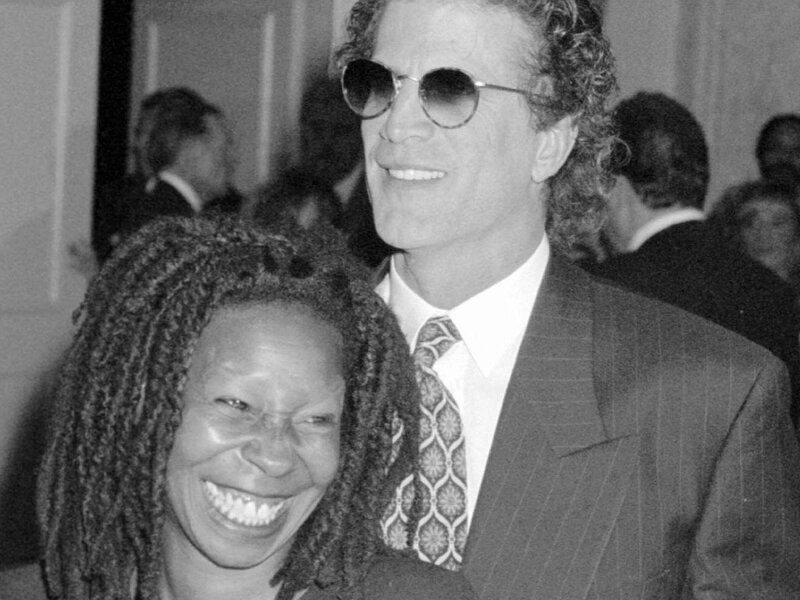
In October 1993, actor Ted Danson performed in blackface makeup at a Friars Club roast of his then-girlfriend, Whoopi Goldberg, in New York City. The routine included racial slurs and explicit jokes about their relationship, written partly by Goldberg herself. It triggered immediate, widespread backlash, became a national flashpoint over race and comedy, and remains one of the most cited blackface controversies involving a major American celebrity.
The Background: Danson and Goldberg’s Relationship
Ted Danson, fresh off his eleven-season run on Cheers, and Whoopi Goldberg, then at the height of her film career, began a relationship while filming the 1993 comedy Made in America. Danson was in the process of divorcing his second wife at the time, and the relationship drew significant tabloid attention as a high-profile interracial couple.
By the fall of 1993, the relationship was reportedly already cooling. According to later reporting, the two tried to back out of the Friars Club roast scheduled in Goldberg’s honor, but the club declined, citing already-sold tickets. The roast went ahead as planned at the Friars Club in Manhattan.
What Happened at the Roast
Danson appeared at the event with his face painted dark brown and exaggerated white makeup around his mouth, a style closely associated with traditional minstrel performance. His routine included repeated use of a racial slur, explicit references to his sex life with Goldberg, and jokes referencing racist stereotypes, including a bit involving watermelon.
Goldberg later said she had written much of the material herself, and that the two had been aiming for shock value rather than any specific political statement. At the time, she defended the performance publicly, arguing that the Friars Club had a long history of crude, boundary-pushing material and that critics misunderstood the context of a private roast.
Not everyone in the room agreed. Talk show host Montel Williams walked out partway through and later resigned from the club, saying in his resignation letter that he wasn’t sure whether he was at a Friars event or a rally for a hate group. New York City’s mayor at the time, David Dinkins, also left the event early. Word of the routine spread quickly beyond the room, and what was meant to be a closed-door private event turned into a national story within days.
Why the Story Became a Bigger Cultural Flashpoint
Several factors pushed the incident beyond a typical celebrity controversy. Danson was one of the most recognizable actors in America at the time, having just finished a sitcom watched by tens of millions of households. The relationship between Danson and Goldberg had already been heavily covered in tabloids as a prominent interracial couple, and press coverage at the time often focused narrowly on their sex life rather than the relationship itself, something Danson has said frustrated him.
The controversy also landed in the middle of a broader national debate in the early 1990s about “political correctness,” a phrase that was just entering mainstream use. Commentators at the time split sharply: some treated the routine as a clear example of racist imagery regardless of intent, while others, including comedian Bill Maher, defended it as exactly the kind of transgressive material a private roast was supposed to deliver.
No video footage of the performance has ever been made public, though photographs from the event circulated widely and have resurfaced repeatedly in the years since, especially during periods of broader public reckoning with race in American media.
How Ted Danson Has Addressed It Since
For many years, Danson rarely discussed the incident publicly, though he did reflect on it briefly in a 2009 NPR interview, calling it a “graceless moment” in his life.
The topic resurfaced more prominently when clips and photos circulated again during the Black Lives Matter movement, which Danson has said affected him professionally. He has since spoken at greater length about the incident, including in a more recent, extensive conversation on comedian W. Kamau Bell’s podcast. In that conversation, Danson described workshopping the routine for months, believing he could pull off a kind of “performance theater” by adopting blackface as a way to deliver edgy material about race that he felt he couldn’t deliver as himself.
He has also described the reaction in the room that night as immediate and severe, recalling that only a fraction of the audience responded positively while most reacted with anger, and that he kept performing anyway. Danson has since said he plans to keep apologizing for the routine, stating directly that good intentions don’t change the impact something has on other people.
Common Misconceptions
That Danson acted entirely on his own. Goldberg has said publicly, both at the time and since, that she co-wrote much of the material and was directly involved in shaping the routine, which complicates any framing of the incident as something done to her without her input.
That the controversy was unanimous. Reaction was genuinely split at the time, with Goldberg, some attendees, and some commentators defending the routine as in keeping with the Friars Club’s roast tradition, while others, including a sitting mayor and a fellow performer, treated it as a serious failure of judgment.
That this was a one-time misstep quickly forgotten. The incident has resurfaced multiple times over three decades, including during major moments of national conversation about race, which is part of why it remains one of the more frequently cited blackface controversies involving a mainstream celebrity.
Frequently Asked Questions
What did Ted Danson do at the 1993 Friars Club roast? He performed in blackface makeup during a roast of Whoopi Goldberg, delivering a routine that included racial slurs, sexual jokes about their relationship, and stereotype-based humor.
Did Whoopi Goldberg write the material? She has said she wrote much of it herself and defended the routine publicly at the time, framing it as in line with the club’s tradition of crude, no-holds-barred roasts.
How did people react at the time? Reaction was mixed but heavily negative outside the room. Some attendees, including Montel Williams and Mayor David Dinkins, objected strongly; Goldberg defended the performance, while broader press coverage treated it as a national controversy.
Has Ted Danson apologized? Yes, both around the time of the incident and more extensively in later interviews, where he has said he intends to keep apologizing and has reflected at length on why the routine was a serious misjudgment.
Is footage of the performance available? No video has ever been publicly released, though photographs from the event exist and have circulated repeatedly over the years.
Key Takeaways
- Ted Danson wore blackface at a 1993 Friars Club roast of then-girlfriend Whoopi Goldberg, delivering a routine that included racial slurs and sexually explicit material.
- Goldberg has said she co-wrote much of the routine and defended it publicly at the time.
- Reaction was sharply divided, with some attendees walking out or resigning from the club, while others defended the performance as typical roast humor.
- The incident has resurfaced multiple times in the decades since, including during the Black Lives Matter movement.
- Danson has spoken about the incident at length in recent years, describing it as a serious misjudgment and saying he intends to keep apologizing for it.
Conclusion
The 1993 Ted Danson blackface incident remains a significant moment in American celebrity and cultural history because of how publicly and repeatedly it has been revisited, by Danson himself, by Goldberg, and by the press. It’s a story with genuine complexity — a routine co-written by the person it was meant to honor, a deeply divided audience reaction, and decades of subsequent reflection — rather than a simple, single-sided account.
-

 Lifestyle3 weeks ago
Unblocked Games: What They Are, How They Work, and What to Watch For
-
 News2 weeks ago
Falconry News: What’s Happening in the World of Hawking Right Now
-

 Lifestyle3 weeks ago
Russia-Ukraine Ceasefire: What’s Been Agreed, What Hasn’t, and Where Talks Stand
-
 News2 weeks ago
Was Kash Patel Removed? What the Search Actually Means
-

 News2 weeks ago
The Hubble Birthday Tradition: How NASA Celebrates the Space Telescope’s Anniversary Every Year
-

 Lifestyle2 weeks ago
Gulf of Oman: Geography, Importance, and Everything You Need to Know
-
 News1 week ago
Ted Danson Blackface: What Happened and Why It’s Still Discussed
-

 Technology2 weeks ago
How to Say Dad in Korean: Every Word, Form, and Context You Need